7 Solar System Benefits to Look Forward to After Your Installation

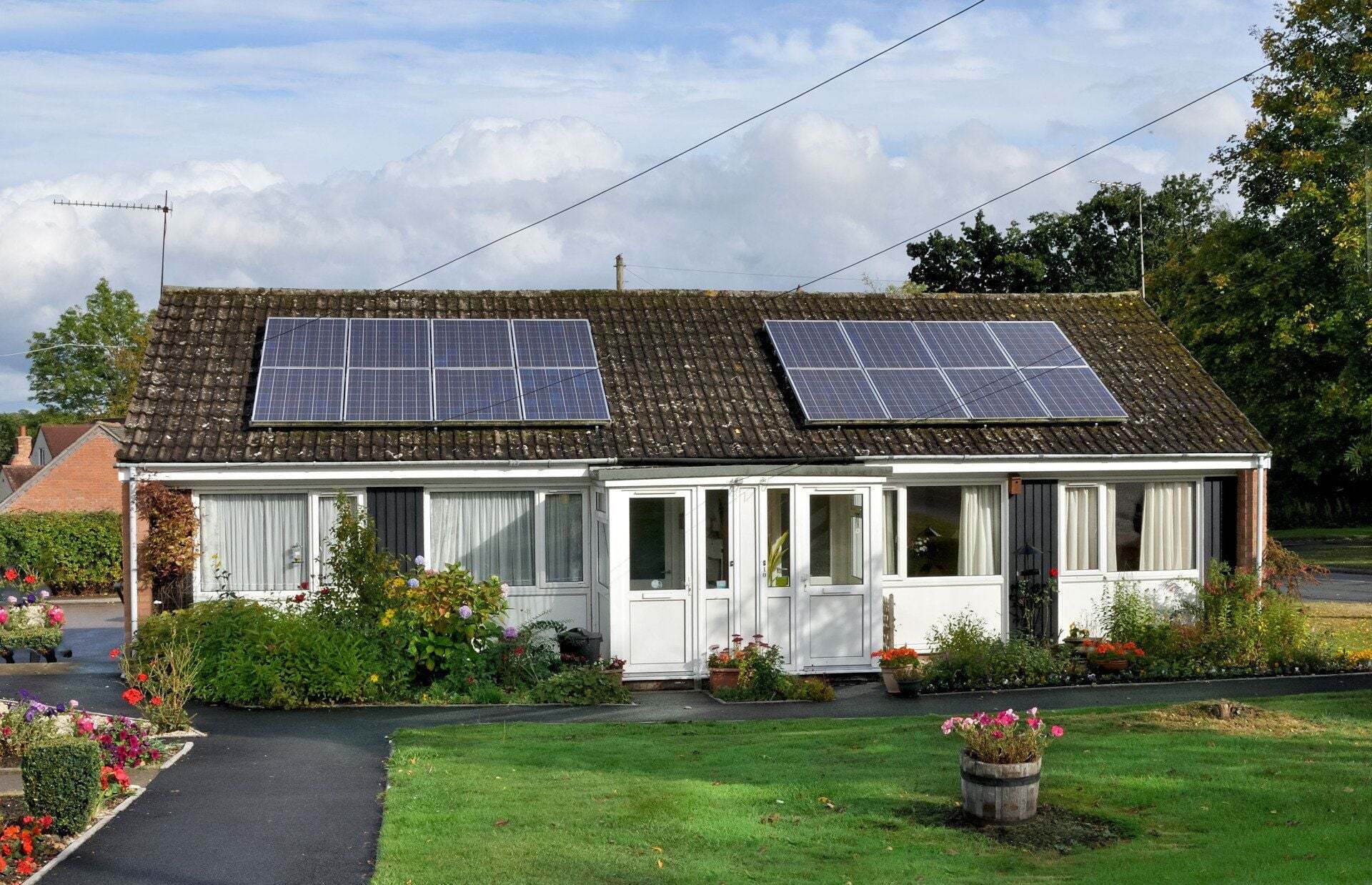
Solar power is becoming increasingly popular as a renewable and sustainable energy option. If you're considering solar panel installation for your home or business, you should know how solar power could benefit you. Here are seven solar system benefits to look forward to after your installation.


1. Save Money on Your Energy Bills

One of the best things about solar power is that it can help you save money on your energy bills. Once your system is installed, you'll be able to generate your own electricity. This can help you offset the cost of your initial investment and continue saving money for years to come. Of course, the amount of money you'll save will depend on several factors, including the size of your system, the amount of sunlight you get, and the price of electricity. With that being said, there's no doubt that solar can be a great way to save money on your energy bills.


2. Reduce Your Carbon Footprint

Another great benefit of solar power is that it can help you reduce your carbon footprint. Solar energy is a clean and renewable resource, so it doesn't produce any harmful emissions. This means that switching to solar can help you do your part to protect the environment. In addition, using solar power can also help you reduce your dependence on fossil fuels.


3. Reliable Energy Source

Solar power is also a very reliable energy source. Unlike fossil fuels, solar energy isn't subject to price fluctuations. Additionally, solar panels have a long lifespan, so you won't have to replace them as often. This means that once you've installed your system, you can count on it to provide you with years of reliable service. According to EnergySage, the most efficient solar panels available five years ago had an efficiency range of 17% to 18%. But as of 2020, homeowners in the U.S. are enjoying not just cheaper solar panel installations but also more efficient ones in the 20% to 23% range.


4. Get Off the Grid

Solar power can also help you get off the grid. If you live in an area with unreliable or expensive electricity, solar can provide you with an alternative energy source. This means that you won't have to rely on the grid for your power needs, which can greatly reduce your monthly expenses. In addition, you can use solar in conjunction with other alternative energy sources, such as a generator. This can help you create a more sustainable and self-sufficient lifestyle.


5. Increase the Value of Your Property

If you're thinking about selling your home or business in the future, switching to solar can also help you increase its value. Solar systems are becoming increasingly popular, so properties with solar installations are often seen as more desirable. This means that you could potentially see a return on your investment when it comes time to sell. Remember, potential buyers will be looking for energy-efficient homes, so solar can definitely give you a leg up on the competition.


6. Reduced Maintenance Costs

Solar panel systems require very little maintenance, which means you can save money on upkeep over time. In fact, most solar panels come with a 25-year warranty. This means that you can enjoy years of worry-free operation. Additionally, solar panels are designed to withstand harsh weather conditions, so you won't have to worry about damage from wind, snow, or rain.


7. Cheap Backup Power

When most people are thinking about solar system benefits, they often forget that one of the best uses for solar is as a cheap backup power source. Modern battery technology has come a long way in recent years, and now it's possible to store enough solar power to run your home for several days in the event of a power outage. This can be a valuable feature if you live in an area prone to hurricanes, tornadoes, or other severe weather conditions.


These are just a few of the solar system benefits you can look forward to after your installation. If you have been sitting on the fence about solar, now is the time to take the plunge. You won't regret it. Call Northwind Solar today to schedule your free consultation. We'll help you determine the best system size for your needs and provide you with a custom quote.


home solar energy
May 9, 2026
As concerns about climate change continue to grow, many homeowners are looking for practical ways to reduce their environmental impact without completely changing their lifestyle. One of the most effective and accessible solutions available today is home solar energy. By harnessing the power of the sun, households can generate their own clean electricity while decreasing their dependence on traditional power sources that contribute to environmental harm. Making the switch to solar is about more than just lowering monthly utility bills. It represents a long-term commitment to sustainability, environmental responsibility, and smarter energy consumption. From reducing greenhouse gas emissions to conserving valuable natural resources, solar power plays a critical role in shaping a more eco-friendly future. As technology continues to improve and awareness increases, more homeowners are recognizing the value of investing in renewable energy. Understanding how home solar energy directly reduces your carbon footprint can help you make a more informed and impactful decision for both your home and the planet. 1. Reducing Reliance on Fossil Fuels One of the most important environmental benefits of home solar energy is its ability to reduce reliance on fossil fuels. Traditional electricity generation depends heavily on coal, oil, and natural gas, which release harmful emissions when burned. These emissions contribute to air pollution and are a leading factor in global climate change. By installing solar panels, homeowners can generate electricity without relying on these polluting energy sources. Solar energy is clean, renewable, and readily available, making it a powerful alternative to conventional power generation. When more households adopt solar power, the demand for fossil fuels decreases, leading to fewer emissions and a cleaner atmosphere. In addition, reducing dependence on fossil fuels helps limit the environmental damage caused by extraction processes. Mining, drilling, and transportation of these resources can disrupt ecosystems and contaminate water sources. By transitioning to solar, homeowners actively support a shift away from these harmful practices. 2. Lowering Household Carbon Emissions Every home contributes to carbon emissions through daily energy use, whether it is running appliances, heating or cooling spaces, or powering electronics. When electricity comes from traditional sources, these everyday activities leave a significant environmental footprint. Home solar energy offers a way to dramatically reduce these emissions. Solar panels generate electricity without producing greenhouse gases, making them a much cleaner option. As homeowners rely more on solar power to meet their energy needs, they reduce the amount of carbon released into the environment. Over time, this reduction becomes increasingly meaningful, especially when combined with energy-efficient habits. Lowering household emissions not only benefits the environment but also contributes to improved air quality. Cleaner air supports better health outcomes and creates a more pleasant living environment for families and communities. By choosing solar energy, homeowners can play an active role in reducing pollution and promoting overall well-being. 3. Conserving Natural Resources Another key advantage of home solar energy is its ability to conserve natural resources. Traditional energy production relies on finite resources such as coal, oil, and natural gas. These materials take millions of years to form and are being consumed at a rapid pace. Their extraction and use can lead to long-term environmental damage, including deforestation, soil erosion, and water contamination. Solar energy, on the other hand, relies on sunlight, which is an abundant and renewable resource. By using solar power, homeowners reduce the need for resource extraction and help preserve the environment. This conservation effort is essential for maintaining ecological balance and ensuring that future generations have access to the resources they need. Additionally, solar energy systems require relatively minimal water compared to traditional power plants, which often use large amounts of water for cooling and processing. By reducing water consumption, solar power supports more sustainable resource management and helps protect vital ecosystems. 4. Supporting Energy Efficiency and Grid Stability Home solar energy also contributes to a more efficient and reliable energy system. When homeowners generate electricity on-site, they reduce the demand placed on centralized power plants and the electrical grid. This decentralized approach helps minimize energy losses that occur during transmission and distribution. Improved efficiency means that less energy is wasted, which in turn reduces the overall environmental impact of electricity production. In some cases, excess energy generated by solar panels can be fed back into the grid, supporting a more balanced and resilient system. This shared energy model benefits both individual homeowners and the broader community. Pairing solar energy with energy-efficient appliances and smart home technologies can further enhance these benefits. By optimizing how energy is used, homeowners can maximize the impact of their solar investment while continuing to reduce their carbon footprint. 5. Encouraging Sustainable Energy Practices Adopting home solar energy often leads to greater awareness of energy consumption and encourages more sustainable habits. When homeowners begin generating their own electricity, they tend to become more conscious of how and when they use energy. This shift in mindset can lead to meaningful changes in daily routines. For example, homeowners may choose to upgrade to energy-efficient lighting, unplug devices when not in use, or adjust their schedules to take advantage of peak sunlight hours. These small changes, when combined, can significantly reduce overall energy consumption and further decrease environmental impact. The influence of solar energy can also extend beyond individual households. As more people adopt renewable energy, it creates a sense of community awareness and encourages others to explore similar options. This collective movement toward sustainability amplifies the positive impact on the environment and helps drive broader change. 6. Increasing Long-Term Environmental Impact One of the most compelling aspects of home solar energy is its long-term impact. Solar systems are designed to provide clean, renewable energy for many years, making them a lasting solution for reducing carbon emissions. Unlike temporary energy-saving measures, solar power offers continuous benefits over time. As solar panels generate electricity day after day, the cumulative reduction in emissions becomes significant. This long-term contribution plays an important role in addressing climate change and supporting global sustainability efforts. The more homeowners invest in solar energy, the greater the collective impact on reducing environmental harm. According to HomeAdvisor, homeowners can claim a tax credit of up to 30% of the eligible system and installation costs for systems installed in tax years 2022 through 2032. This incentive makes it easier for more people to adopt solar energy, accelerating the transition toward cleaner energy sources and expanding the overall environmental benefits. Home solar energy provides a powerful and practical way to reduce your carbon footprint while contributing to a healthier planet. By decreasing reliance on fossil fuels, lowering household emissions, conserving natural resources, improving energy efficiency, and encouraging sustainable habits, solar power offers a comprehensive approach to environmental responsibility. It empowers homeowners to take an active role in creating lasting environmental change while enjoying the benefits of clean, renewable energy. As more homeowners embrace renewable energy, the collective impact becomes even more significant. Each installation represents a step toward a cleaner future, where energy is produced in a way that supports both people and the environment. Investing in solar is not just a personal decision; it is a meaningful commitment to sustainability and long-term change. If you are ready to take control of your energy use and make a positive impact on the environment, we invite you to explore your options with Northwind Solar. Together, we can create a cleaner, more sustainable future for our homes and communities.
solar services
May 1, 2026
Cut utility bills and increase property value with solar services that provide energy independence, improved efficiency, and long-term sustainable savings.
residential solar power company
April 23, 2026
Discover how a residential solar power company integrates solar with smart home tech to boost efficiency, reduce costs, and support sustainable living.
By northwindre.com April 3, 2026
Learn how seasonal tilt adjustment works for ground-mounted solar, when to switch settings, and why ground mounts are a practical option.
By northwindre.com March 24, 2026
Sunnysides - Solar Stories: Jacqui shares how solar helped her lower energy costs, power her EV, and gain more control over her home and environmental footprint.
By northwindre.com March 23, 2026
Read how the Friess family made solar part of a lifelong commitment to conservation, lower utility bills, and sustainable living.
By northwindre.com March 23, 2026
Learn how Linda uses solar, battery backup, and home electrification to lower energy costs and gain more control over power use.
By northwindre.com March 23, 2026
See how Cattail Organics uses solar, battery backup, and smart energy planning to reduce costs and build resilience on the farm.
By northwindre.com March 23, 2026
Discover how Whitefeather Organics used solar to support farm and family life with greater stability, purpose, and long-term peace of mind.
By northwindre.com March 17, 2026
Learn why energy efficiency matters in Central Wisconsin and how homes, farms, businesses, and schools can lower utility bills, reduce waste, and make the most of solar.