
A Beginner's Guide to Solar Power Savings
The transition toward renewable energy is no longer a distant goal but a practical reality for modern homeowners. As traditional utility costs fluctuate and environmental concerns take center stage, capturing the sun's power has emerged as a reliable way to secure energy independence. Harnessing this abundant resource involves more than just mounting hardware to a roof; it requires a foundational understanding of how sunlight becomes electricity and which system architecture best supports your lifestyle. By looking at the mechanics and logistics of solar technology, you can move from general interest to a concrete plan for your home.
Understand How Solar Energy Works
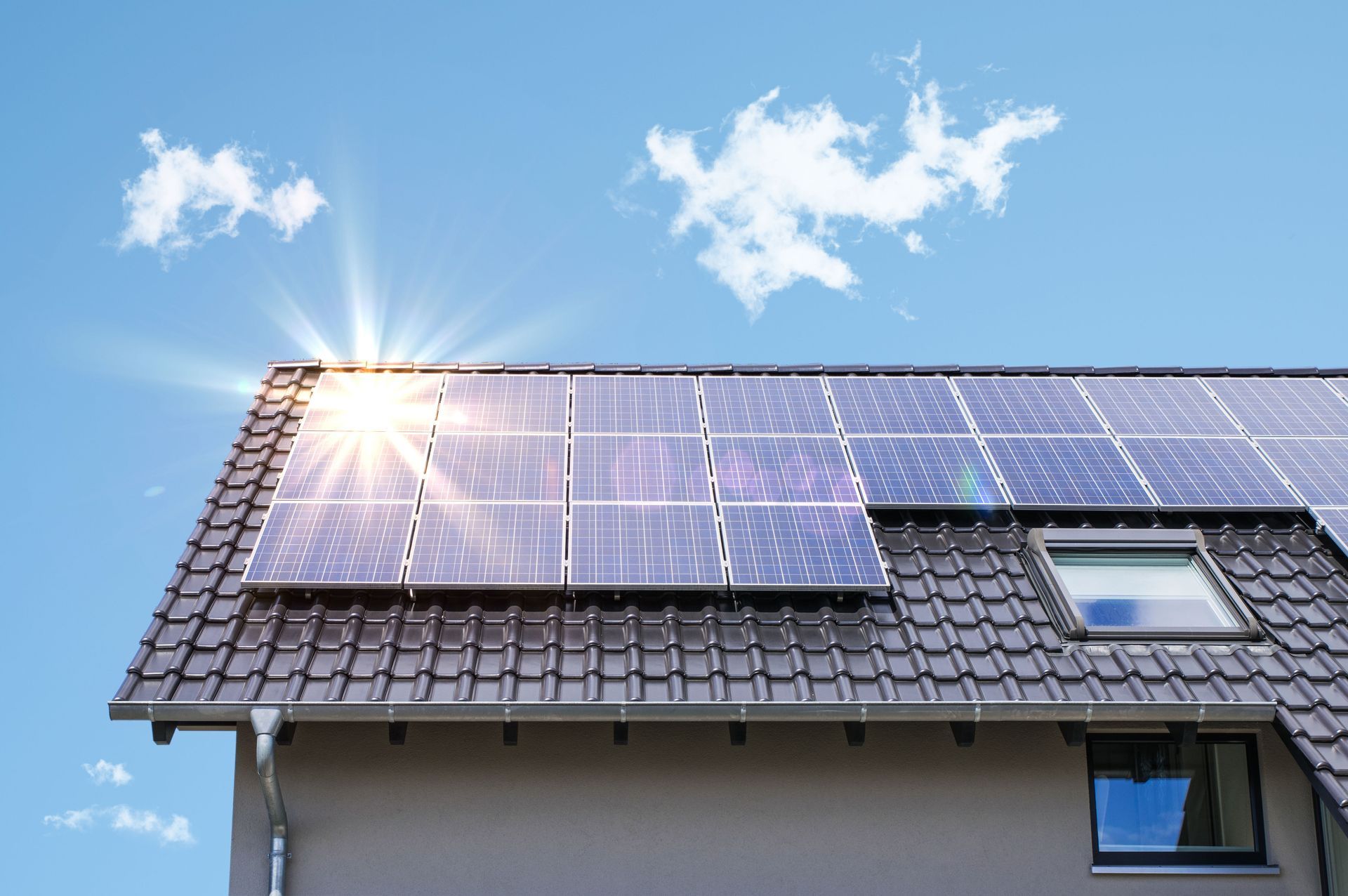
Solar panels harness energy from the sun through photovoltaic (PV) cells. These cells convert sunlight into direct current (DC) electricity. An inverter then transforms the DC electricity into alternating current (AC), which powers your home. Solar panels are constructed from silicon and other conductive materials that form electric fields. This technology allows for the efficient conversion of sunlight into usable energy. The adoption of solar power is growing worldwide; according to Enkonnsolar.com, solar power is projected to comprise 50% of global electricity generation by 2050.
The efficiency of solar panels varies depending on material quality and environmental factors. Technological advancements continue to improve conversion rates, making solar power more accessible. Modern systems can operate efficiently even on cloudy or partially shaded days. By understanding your energy needs, you can select the right solar panel setup for optimal performance. Besides photovoltaic cells, other solar technologies include solar thermal and concentrating solar power systems. Solar thermal systems primarily provide heat for water and air.
Mirrors or lenses concentrate sunlight onto a small area to generate thermal energy. Each technology has unique applications, with PV systems remaining the most common for residential installations. As you learn more about solar options, you can choose a system that best fits your needs. Three primary types of systems include grid-tied, off-grid, and hybrid systems. Grid-tied systems connect to the public utility grid, allowing homeowners to draw power when solar production is insufficient.
Compare Different System Types
Excess energy generated is fed back into the grid, often leading to incentives like net metering. Off-grid systems are self-sufficient and require battery storage for energy produced beyond immediate consumption. Hybrid systems combine elements of both, providing grid backup with some battery storage capability. Choosing the right type of system depends on your location, energy needs, and financial considerations. Grid-tied systems are often favored for their simplicity and affordability.
Off-grid setups are ideal in distant areas where grid access is limited or non-existent. Hybrid systems provide flexibility, allowing homeowners to benefit from different power sources. Understanding these systems helps you make informed decisions on installations. Each system type has specific installation and maintenance requirements. Grid-tied systems typically require less initial investment, while off-grid systems call for more comprehensive setup due to battery needs.
Hybrid systems offer a middle ground, providing energy independence without severing grid access. Maintenance costs and procedures vary based on system complexity and location. Regardless of type, having a professional assessment can help align installation with your preferences and budget. The initial investment in solar panels can be significant, but long-term savings often justify the expense. The cost varies depending on panel type, installation complexity, and regional factors.
Review The Environmental Benefits
This shift contributes to global efforts aimed at mitigating climate change. Financially, solar power minimizes monthly electricity bills and guards against future utility price hikes. Moreover, surplus energy production through net metering schemes can potentially generate additional income. Environmental benefits include reduced greenhouse gas emissions and air pollution. Unlike fossil fuels, solar energy is clean and renewable, causing minimal environmental disruptions.
Decreasing demand for traditional electricity sources lessens strain on natural resources. As more households switch to solar, the collective impact on the environment is substantial. Supporting a sustainable future aligns with both individual goals and broader ecological concerns. Transitioning to solar reflects a commitment to ecological responsibility and financial prudence. Communities implementing large-scale solar initiatives contribute significantly to regional sustainability.
By reducing dependency on fossil fuels, solar adoption introduces resilience against energy resource scarcity. Importantly, solar contributes to global shifts in energy paradigms. This strategic adoption offers long-term benefits transcending immediate practicalities. Despite its advantages, there are challenges to consider. Climate and geographic factors can influence solar panel efficiency and output. Areas with limited sunlight or frequent cloudy conditions may require supplemental energy sources.
Identify Current System Limitations
Technology and resource constraints also impact accessibility and scalability. These factors necessitate a thorough evaluation of solar feasibility before installation. Initial costs and space requirements can deter potential adopters. High upfront investment and suitable roof space availability are pivotal in planning. While incentives and rebates mitigate costs, financial barriers remain for some. Consequently, comparing costs across different regions, installation types, and systems is crucial.
Regular maintenance and occasional repairs add another layer to operational challenges. Not all buildings or locations are conducive to solar installations, given structural and aesthetic considerations. Additionally, energy storage solutions, essential for off-grid setups, can be costly. Adapting to evolving technology might necessitate future upgrades for optimal performance. Nevertheless, these challenges are not insurmountable. With careful planning and informed choices, more effective and reliable solar power solutions continue to emerge.
Understanding your household's energy consumption is crucial when considering solar installations. Begin by reviewing electricity bills to identify monthly and annual usage trends. Tools such as energy consumption calculators help estimate your power needs. Peak usage times and seasonal variations influence system design. Striking a balance between supply and demand ensures optimal panel performance. Determining precise energy needs informs sustainable system planning.
Evaluate Your Roof Suitability
Estimating panel numbers and arrangement depends on accurate data collection. Solar power advisors aid in pinpointing the ideal system based on consumption forecasts. Long-term energy demand assessments facilitate robust system configuration. Having a well-defined energy profile enables seamless solar transitions. Once energy consumption is established, homeowners can proceed with evaluating roof space and capability. Identifying workable space ensures total energy production aligns with household needs.
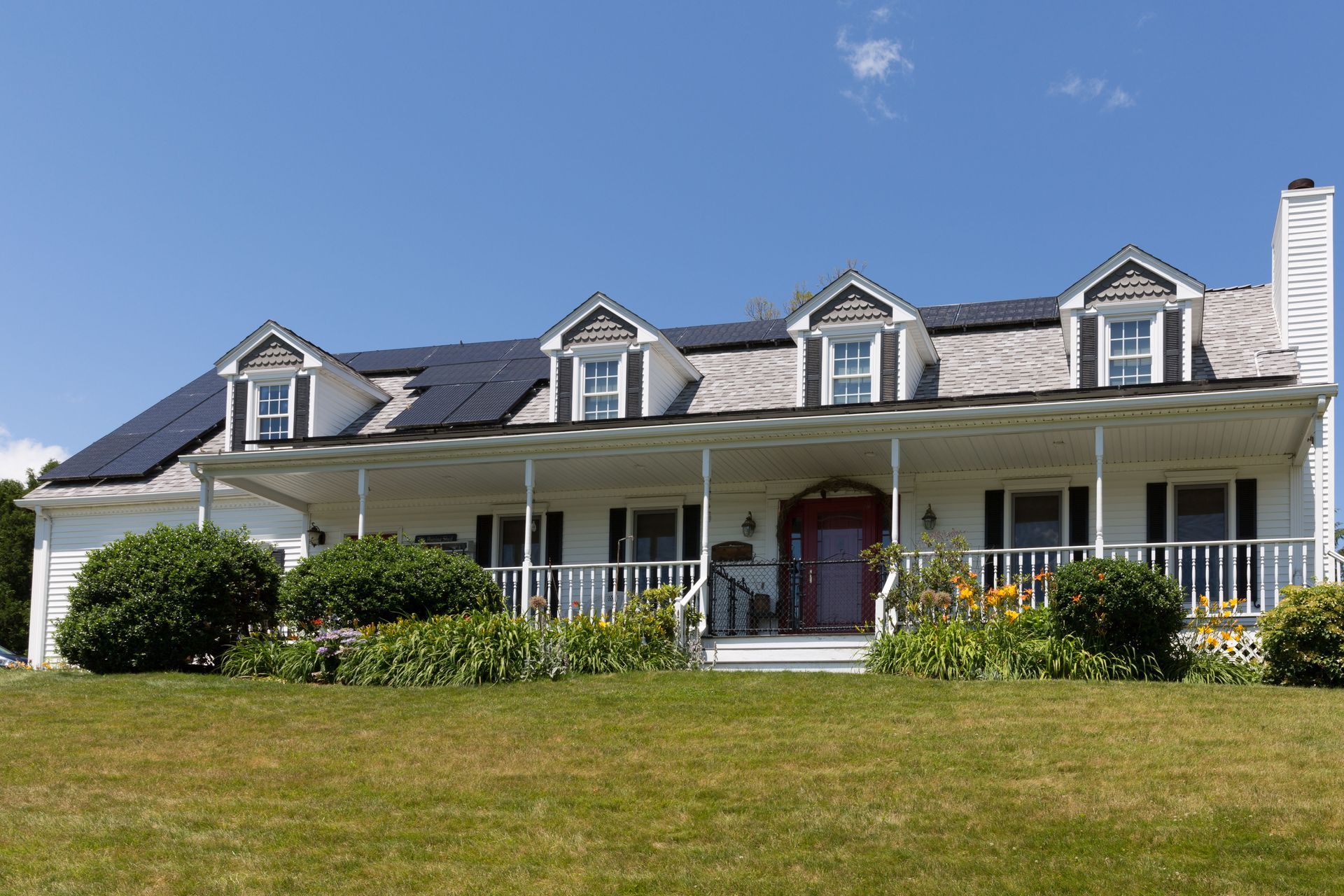
Consulting with professionals for detailed site assessments optimizes spatial use. Efficient site utilization directly impacts overall energy savings. Proactively aligning your setup with energy expectations is paramount. Your roof's angle, direction, and condition are key factors in assessing solar readiness. South-facing roofs are optimal in the Northern Hemisphere for maximum sun exposure. The pitch of the roof affects panel mounting feasibility and sun capture efficiency.
Shaded areas or structural obstructions limit productive potential and can deflate expected output. Therefore, a professional assessment is often crucial for an accurate evaluation. Aside from orientation and pitch, roof material and age bear the potential to extend or impede panel lifespan. Metal and tile roofs are generally more suitable, offering better structural compatibility. If a roof is nearing the end of life, repairs or replacement might be needed pre-installation.
Transitioning to solar power is a strategic investment that balances immediate financial savings with long-term ecological responsibility. While factors like roof orientation, local climate, and initial system costs require careful consideration, the evolution of photovoltaic technology has made clean energy more efficient and accessible than ever before. Whether you opt for a simple grid-tied setup or a fully independent off-grid system, the result is a significant reduction in your carbon footprint and a shield against rising energy prices. Taking the time to evaluate your specific energy profile ensures that your move toward sustainability is both seamless and rewarding. Contact us at Northwind Solar to begin your personalized energy assessment and find the perfect solar solution for your home.















Share On: