
From Sunlight to Savings: How Home Solar Works
Solar panels on homes have shifted from a niche technology to a mainstream energy solution across the United States. As homeowners seek ways to reduce energy costs, increase sustainability, and protect against rising utility rates, residential solar has emerged as one of the most impactful upgrades a property can receive. But how exactly does home solar work, and why are so many homeowners making the switch?
According to the Solar Energy Industries Association, solar power represented roughly 69% of all new electricity-generating capacity added to the U.S. grid in the first three months of 2025, highlighting the rapid growth and central role of solar energy in our nation’s energy mix. This trend reflects both technological advancements and increasing confidence in residential solar as a long-term investment.
Below, we explain how sunlight becomes usable energy in your home, how residential solar systems are designed, and how you can benefit from clean energy while lowering your utility costs.
Understanding How Solar Panels Capture Sunlight
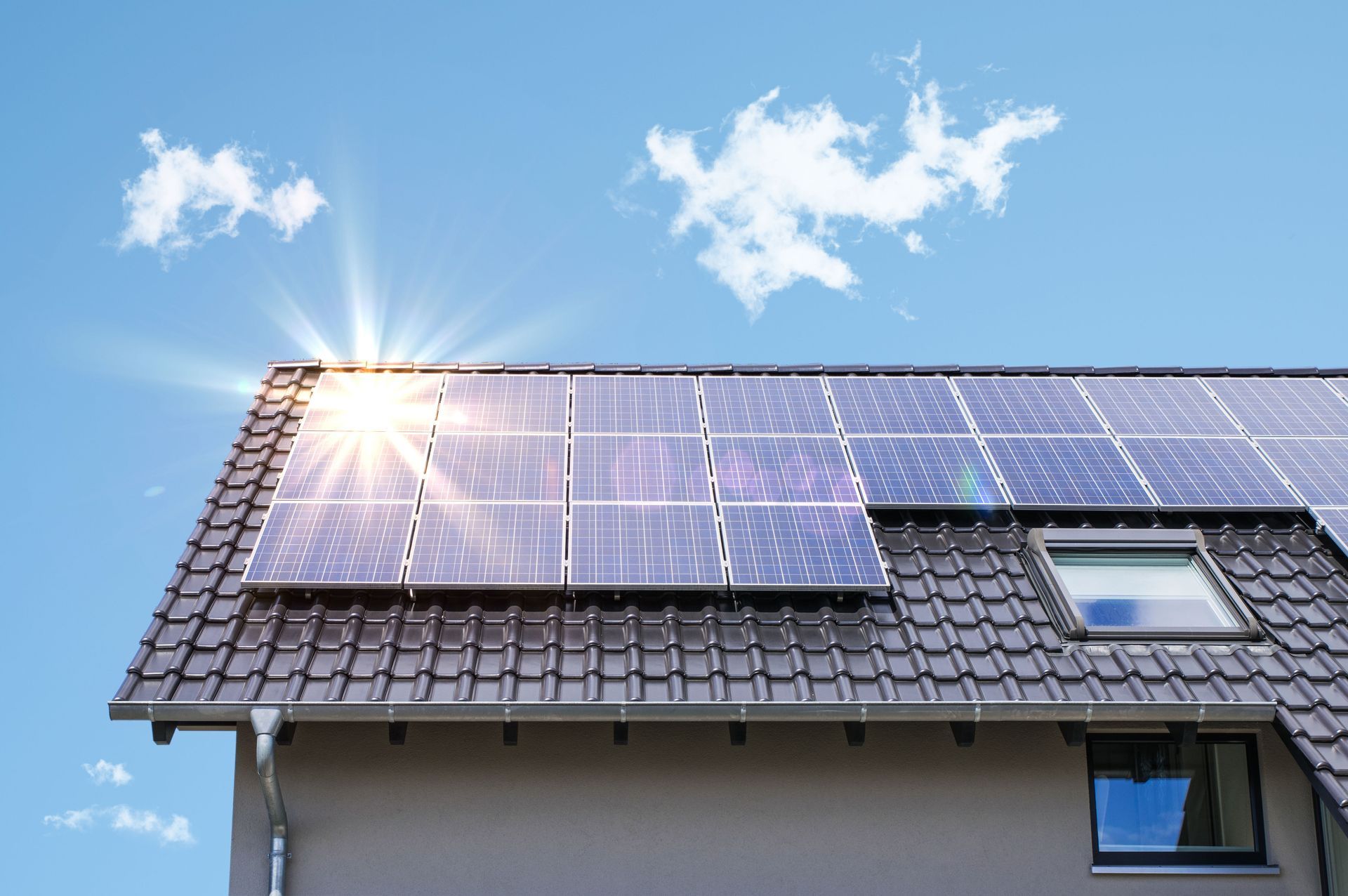
Solar panels are the foundation of any residential solar system. Made up of multiple photovoltaic (PV) cells, solar panels capture sunlight and convert it into direct current (DC) electricity. PV cells are typically made from semiconductor materials—most commonly silicon—that release electrons when exposed to sunlight. This process, known as the photovoltaic effect, is the basic mechanism that makes solar energy possible.
The more sunlight the panels receive, the more electrons are generated, which increases the electricity produced. Panels are usually installed facing south or in directions where they receive the highest exposure throughout the day. Our team evaluates your roof’s orientation, shading, and angle to determine optimal panel placement for maximum energy capture.
Converting Sunlight Into Usable Electricity
While solar panels generate DC electricity, most homes use alternating current (AC). To bridge this gap, residential solar systems include an inverter—either a central inverter or microinverters at each panel. The inverter converts DC power into AC power that can run appliances, lighting, HVAC systems, and electronics.
This conversion process happens in real time. As sunlight hits the panels during the day, the inverter continually transforms energy so your home can use it immediately. In some systems, excess energy is fed back into the electrical grid, a process known as net metering, which can further reduce your energy bills.
Evaluating System Size and Energy Needs
Determining the right size for a residential solar system is one of the key steps our team takes. System size depends on your typical energy usage, roof space, sunlight exposure, and future energy goals. We analyze your past utility bills, home layout, and lifestyle to estimate how much electricity your household consumes.
By matching solar capacity with your energy needs, we ensure your system delivers meaningful savings while minimizing reliance on grid power. We also account for seasonal variations in sunlight, ensuring that your system performs effectively throughout the year.
Assessing Roof Structure and Solar Compatibility
Not every roof is automatically suited for solar panels. Our residential solar specialists perform a detailed roof assessment to evaluate its condition, materials, and angle. Roofs in good structural health with minimal shading provide the best results for system performance and longevity.
If roof repairs or reinforcements are needed before installation, we factor that into the plan. This ensures that once panels are installed, they remain secure and productive for decades.
Understanding How Net Metering Maximizes Savings
One of the key financial benefits of residential solar is net metering. When your solar system produces more electricity than your home needs, the excess energy is sent back to the grid. Many utility companies credit this excess production, offsetting the cost of electricity you draw from the grid when your system isn’t producing—especially at night or on cloudy days.
Net metering can significantly lower your monthly power bill and, in some cases, lead to credits that roll over month to month. Policies vary by utility and state, so part of our evaluation includes identifying the best net metering options available in your area.
Exploring Financial Incentives and Tax Benefits
Several financial incentives make residential solar more affordable than ever. Federal tax credits, state rebates, and local incentives can reduce the overall cost of installation. The federal solar investment tax credit (ITC), for example, allows eligible homeowners to deduct a portion of their solar costs from federal taxes.
In addition to tax credits, some states offer performance-based incentives or property tax exemptions on solar installations. Our team helps you understand and take full advantage of available incentives, ensuring that your solar investment delivers strong value from day one.
Considering Battery Storage for Greater Energy Control
Adding a battery storage system to your residential solar installation offers even greater control over your energy. Batteries store excess solar energy generated during the day for use at night or during power outages. This can be especially valuable in regions with high electricity costs during peak hours or unreliable grid conditions.
Battery storage also supports energy independence, enabling your home to operate off-grid for limited periods. Our specialists evaluate whether storage is a good fit based on your energy patterns, local utility structure, and budget goals.
Reviewing Long-Term Savings and Return on Investment
Residential solar isn’t just about sustainability—it's about savings. Over time, solar systems often deliver substantial reductions in utility costs, especially in regions with higher electricity rates. Many homeowners see payback periods of seven to ten years, after which the energy produced is virtually free.
When combined with net metering credits, tax incentives, and rising utility costs, solar becomes an attractive long-term investment. Over the typical 25-year lifespan of solar panels, savings can add up significantly, both in direct energy cost reductions and increased home value.
Explaining Maintenance and System Longevity
One of the most common questions about residential solar is maintenance. Unlike mechanical systems with moving parts, solar arrays require very little maintenance. Routine visual inspections and occasional cleaning—handled by professionals—keep panels operating efficiently.
Most panels come with warranties that guarantee performance over 25 years or more. Inverter systems and battery storage often carry separate warranties. Our team ensures you understand warranty terms, recommended maintenance plans, and long-term performance expectations so that your system continues to deliver savings year after year.
Comparing Residential Solar With Traditional Energy Sources
Traditional electricity generation relies heavily on fossil fuels, which are subject to price volatility and environmental impacts. Residential solar offers a cleaner alternative that reduces dependency on the grid and supports sustainability goals. By generating your own electricity, you insulate yourself from rising utility rates and contribute to reducing carbon emissions.
Many homeowners find that switching to solar aligns with both economic and environmental priorities—helping reduce their household’s carbon footprint while enjoying predictable energy costs.
Ready to harness the power of the sun and transform how your home uses energy? Contact Northwind Solar today for a professional assessment and personalized
residential solar plan. We take pride in delivering customized solutions that not only meet your energy needs but also align with your long-term savings and sustainability goals. Our team applies technical expertise, transparent communication, and dedicated service to every project, ensuring your transition to solar energy is smooth and rewarding. We’ll help you maximize sunlight, reduce your utility costs, and enjoy the benefits of clean, renewable energy for years to come.












Share On: