Our 110 Wood County projects total about 1,200 kW, so most are home-sized systems. The mix changes as you move across the county:
- Wisconsin Rapids and Marshfield. 72 projects between the two cities. Both cities run their own electric utilities, which affects paperwork and how excess solar is credited.
- Nekoosa and Port Edwards. 7 projects in Nekoosa so far. On older homes we check roof age first, because it is cheaper to re-roof before panels go up than after.
- Auburndale, Arpin and the dairy country around Marshfield. Barns, heifer sheds and shops with big roofs. Many farms have daytime loads such as milk cooling and ventilation that match when solar produces.
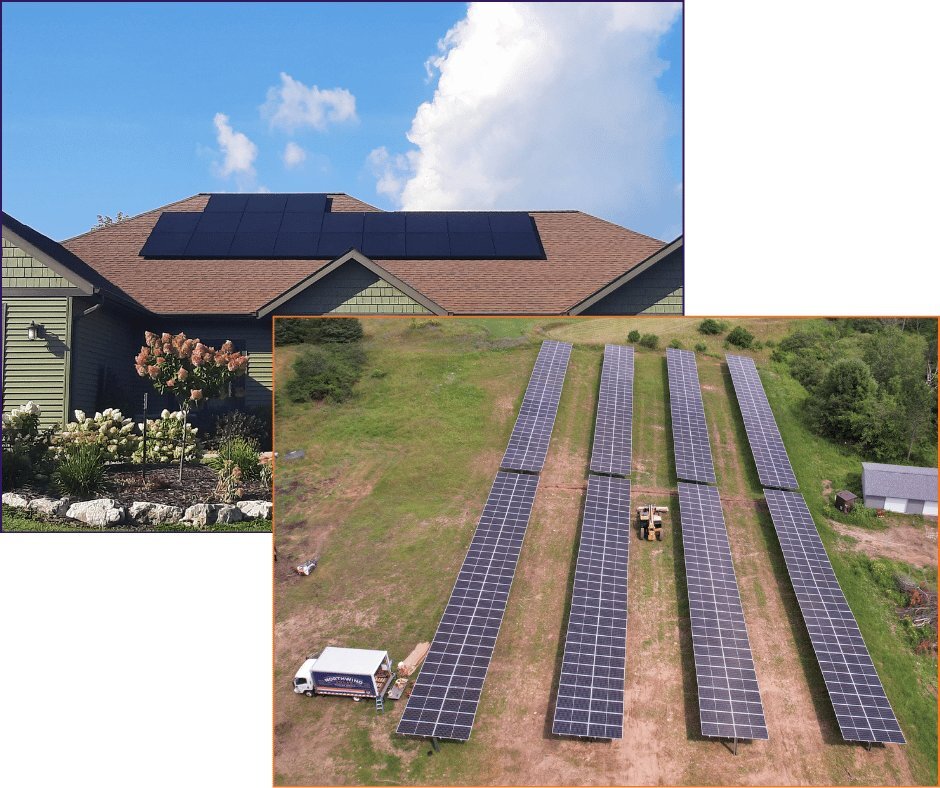
- Rural acreage. Ground mounts are common where the house roof is shaded or small. They also make snow clearing and future expansion easier.
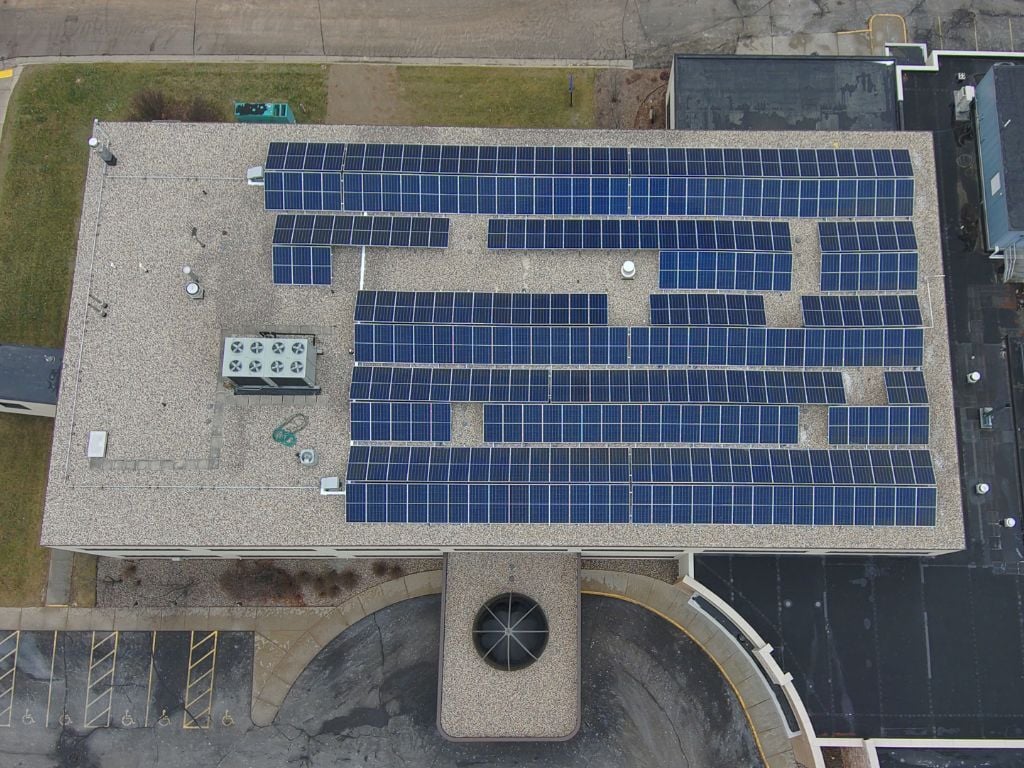
Farm owners, note: Under USDA's Rural Energy for America Program (REAP) final rule (published October 1, 2026), projects must be finished 12 to 24 months before you apply, with 12 months of production data. Ground-mounted solar on certified cropland is not eligible, and neither are systems with components made in a foreign-adversary country. Roof-mounted farm systems, or ground mounts on non-crop land, may fit better. Focus on Energy's 2026 business rebate also pays $600 per kW up to $2,400, then $50 per kW above that, up to $25,000, for systems on a non-residential meter.