
How Electric Vehicle Charging Stations and Solar Panels Work Together
As the world shifts toward sustainable energy solutions, understanding how these technologies complement each other is crucial for driving environmental benefits and reducing reliance on fossil fuels. Electric vehicles are rapidly gaining popularity as a cleaner alternative to traditional gasoline-powered cars. Coupled with renewable energy sources such as solar panels, EVs have the potential to significantly lower carbon footprints. This article explains the workings of both technologies and their combined impact on the future of energy consumption.
1. The Basics of Electric Vehicle Charging Stations
A. Types of EV Charging Stations
Electric vehicle charging stations come in a variety of types to cater to different needs. The most common types include Level 1, Level 2, and DC Fast Charging. Level 1 chargers use a standard household outlet and charge slowly, suitable for overnight charging. Level 2 chargers, commonly found in public spaces, offer faster charging using a more powerful outlet. DC Fast Chargers enable rapid charging, providing an almost full charge within minutes, and are ideal for long-distance travelers.
B. Charging Speed and Efficiency
The speed and efficiency of charging stations are crucial for EV owners. Level 1 chargers, while convenient at home, can take up to 12 hours to fully charge a vehicle. In contrast, Level 2 chargers complete the task in about 4 to 6 hours, making them suitable for daytime use. DC Fast Chargers offer the quickest solution, replenishing an EV's battery to 80% within 30 minutes. However, the speed comes at a cost, as DC Fast Chargers are more expensive and can degrade battery life over time. Balancing efficiency and cost is essential for optimal EV adoption.
C. Infrastructure Requirements
Developing a comprehensive EV charging infrastructure is critical for supporting the growing number of electric vehicles. According to Policy Advice, there are over 5.6 million electric vehicles across the globe. This surge necessitates robust infrastructure planning to support accessibility and convenience for EV owners. Public and private sectors must collaborate to install electric vehicle charging stations in residential, commercial, and public areas. Upgrading electrical grids to handle increased loads is also vital to prevent potential blackouts as EV adoption rises.
D. Grid Impact and Load Management
The rapid increase in EVs poses both challenges and opportunities for the electrical grid. Peak times of EV charging can strain the grid, leading to potential outages if not managed efficiently. Implementing smart grid technologies enables real-time load management and optimizes energy distribution. Demand response programs can encourage consumers to charge during off-peak hours. Integration of vehicle-to-grid (V2G) technology allows EVs to return excess energy to the grid. Such innovations alleviate grid pressure and create a more sustainable and resilient energy system.
E. Future Trends in EV Charging Technology
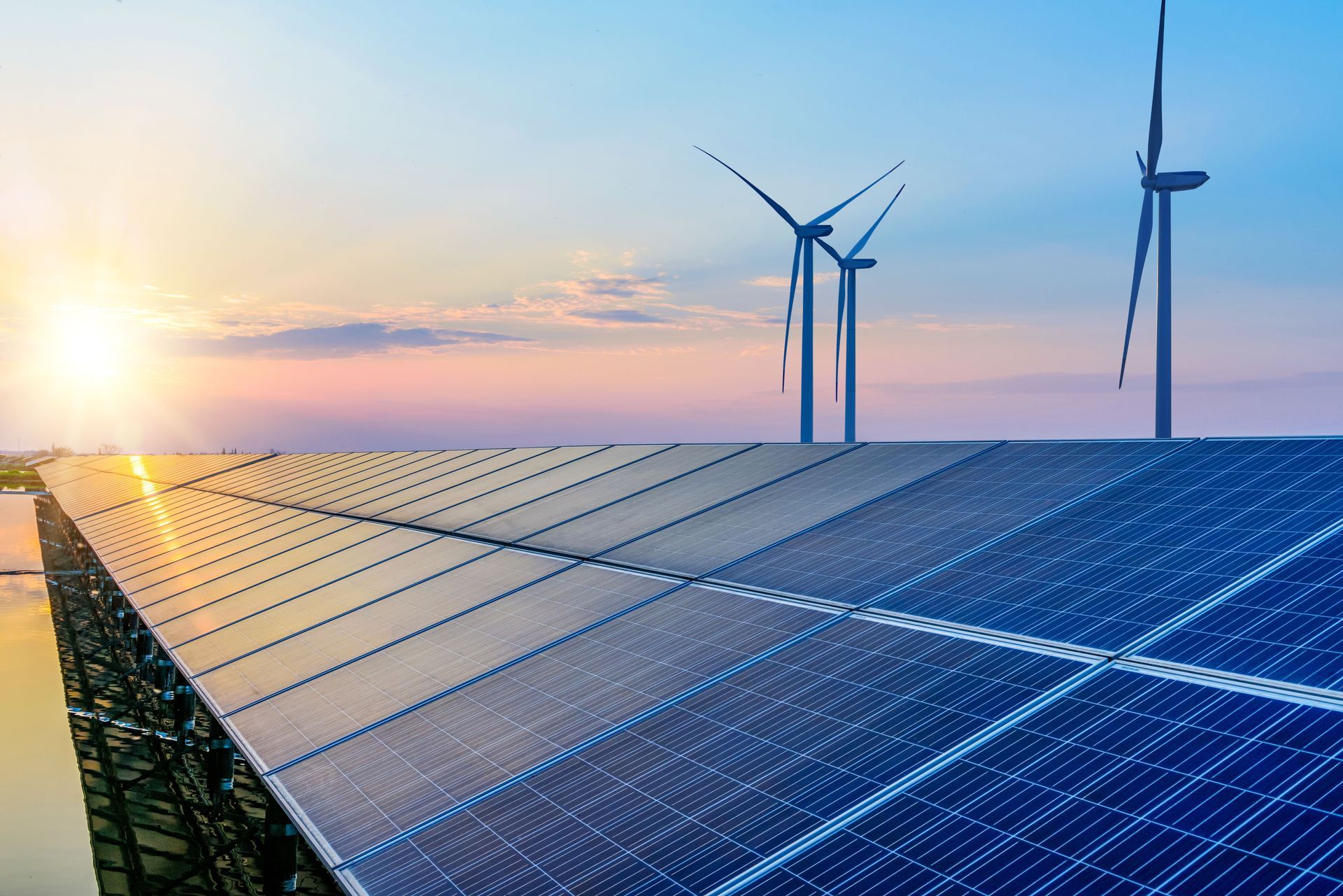
As technology evolves, so do the advancements in EV charging solutions. Wireless or inductive charging is an emerging trend, eliminating the need for physical connectors. Another development is the integration of intelligent charging systems that collect usage data, enhancing user experience through optimized charging schedules. Solar-powered charging stations are becoming increasingly popular, offering a renewable energy solution. Fast charging technology continues to improve, reducing charging times while preserving battery health. These trends point toward a future where EVs seamlessly integrate into our daily lives.
2. The Fundamentals of Solar Panel Technology
A. How Solar Panels Generate Electricity
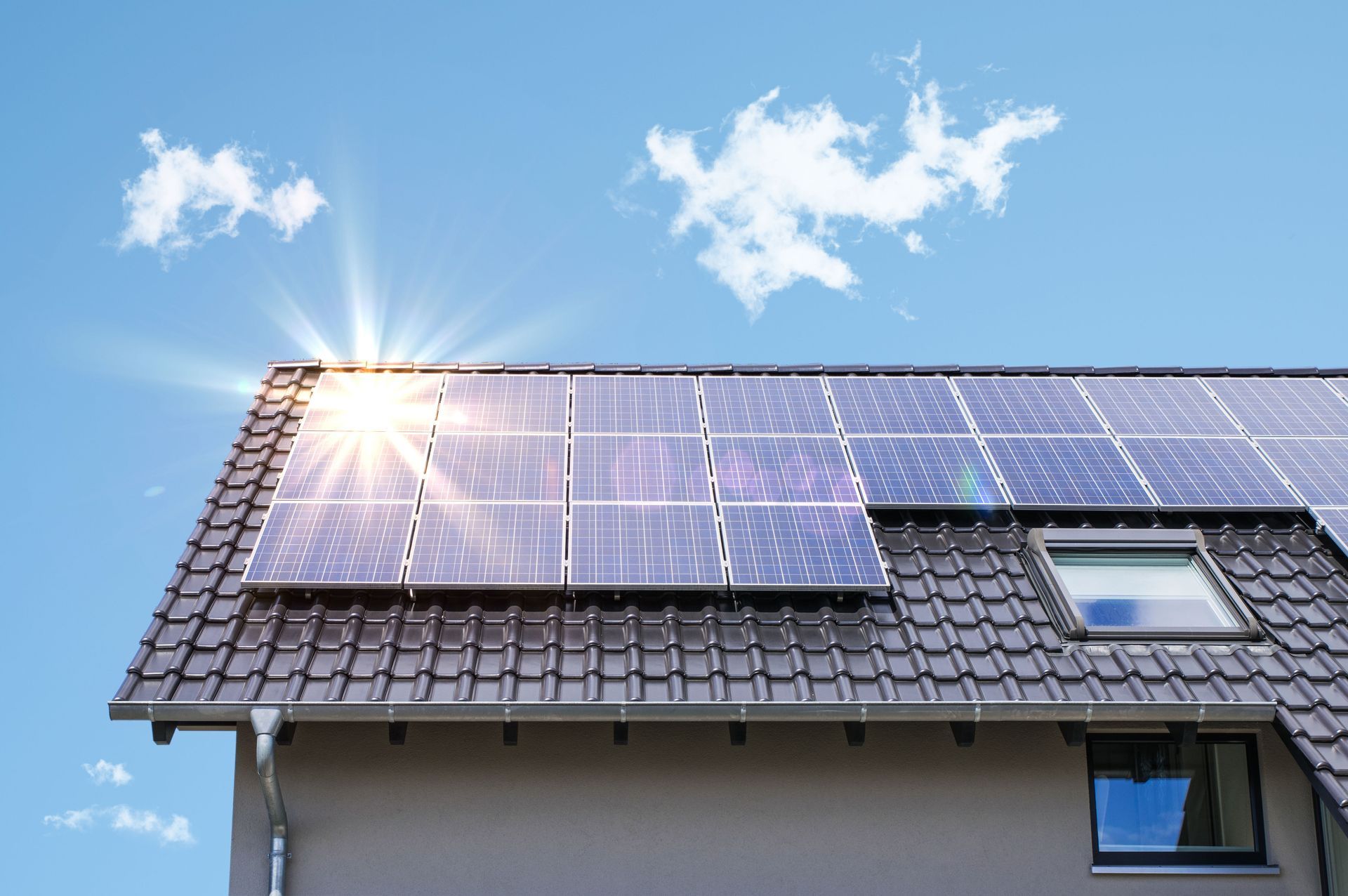
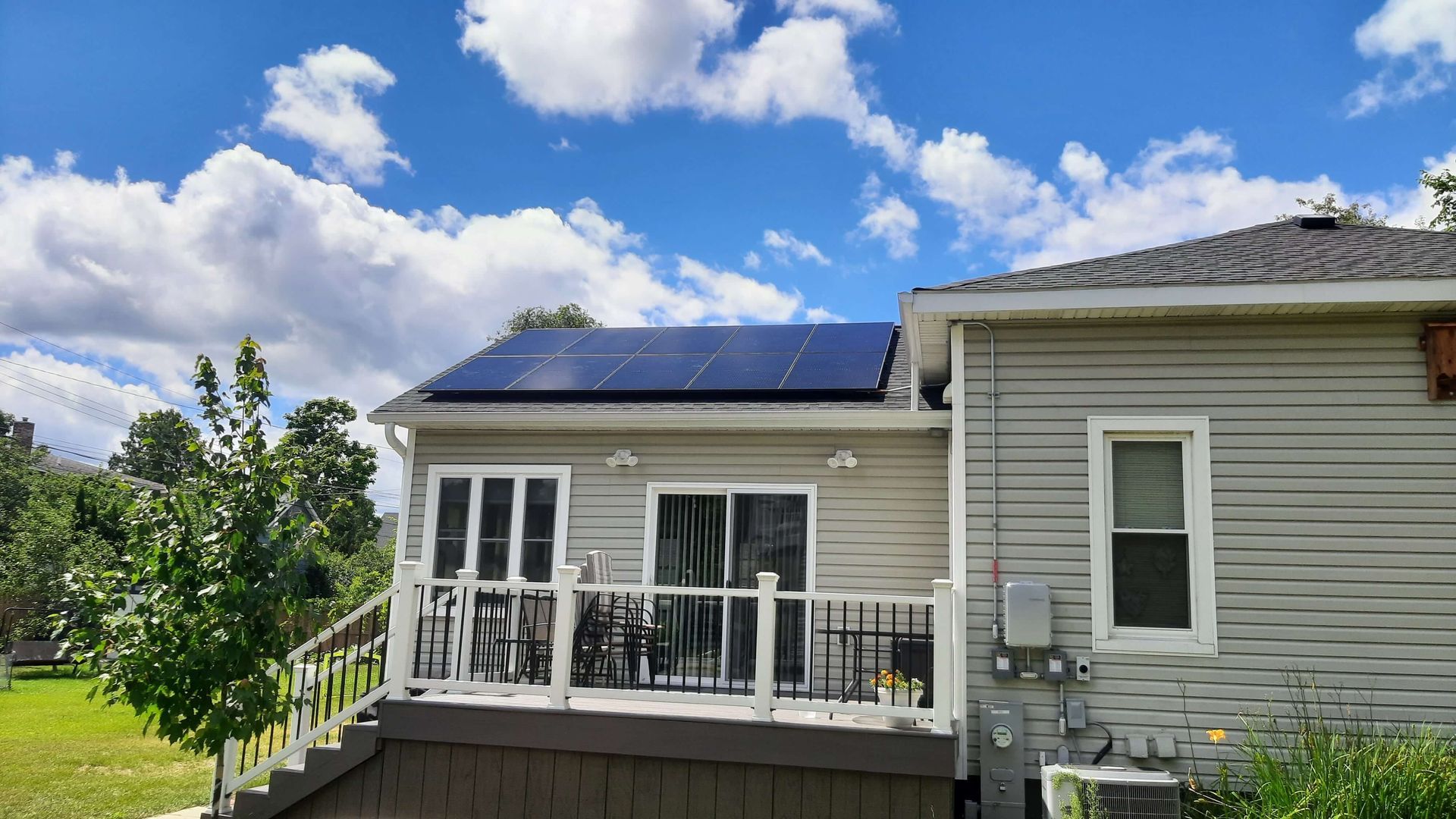
Solar panels convert sunlight into electricity through photovoltaic (PV) cells. These cells are made of semiconductors, such as silicon, that absorb photons from sunlight, creating an electric current. When sunlight hits the PV cells, electrons are knocked loose from atoms, generating direct current (DC) electricity. An inverter then converts DC into alternating current (AC), which can be used to power homes or charge electric vehicles. The efficiency of solar panels depends on the quality of materials and the amount of sunlight available.
B. Types of Solar Panels and Their Efficiency
There are various types of solar panels, each with different levels of efficiency and cost. Monocrystalline panels, known for their high efficiency, are made from single crystal silicon. Polycrystalline panels, which are slightly less efficient, are produced from multiple silicon crystals. Thin-film solar panels offer flexibility and a lower cost but at the expense of efficiency. Each type has its advantages, and the choice often depends on the specific application and budget. Advances in technology continue to enhance the efficiency and affordability of solar panels.
C. Installation and Maintenance Considerations
The installation of solar panels requires careful planning and consideration of various factors. Site assessment is essential to determine the optimal location for maximum sunlight exposure. Proper installation helps make sure panels are securely mounted and efficiently connected to electrical systems. Maintenance involves regular cleaning and inspection to confirm performance is not hindered by dirt or debris. While solar panels are generally durable, occasional checks can preempt issues such as faulty wiring or component degradation. A well-designed and maintained system maximizes energy generation and longevity.
D. Solar Energy Storage Solutions
Energy storage is a critical component in maximizing the benefits of solar power. Battery systems store excess energy generated during sunny periods for use when sunlight is not available. Advanced storage solutions, such as lithium-ion batteries, offer high efficiency and energy density. Integrating storage with solar panels enhances energy independence and stability by mitigating the variability of solar power. Energy storage also facilitates the use of solar power during peak demand times, reducing reliance on grid electricity. As storage technology advances, costs are expected to decrease, further boosting solar adoption.
E. Challenges in Solar Technology Adoption
Despite its advantages, solar technology faces several challenges that hinder widespread adoption. The initial cost of solar panel systems can be prohibitive for many consumers, although prices have been decreasing over time. Space constraints and aesthetic concerns can limit installation in urban areas. Variability in sunlight availability affects energy production, creating the need for complementary systems or storage solutions. Regulatory barriers and grid integration issues can also impede progress. Continued innovation and supportive policies are crucial to overcoming these challenges and promoting solar technology adoption.
3. Integration of Solar Panels With EV Charging Stations
A. Benefits of Integrating Solar Energy
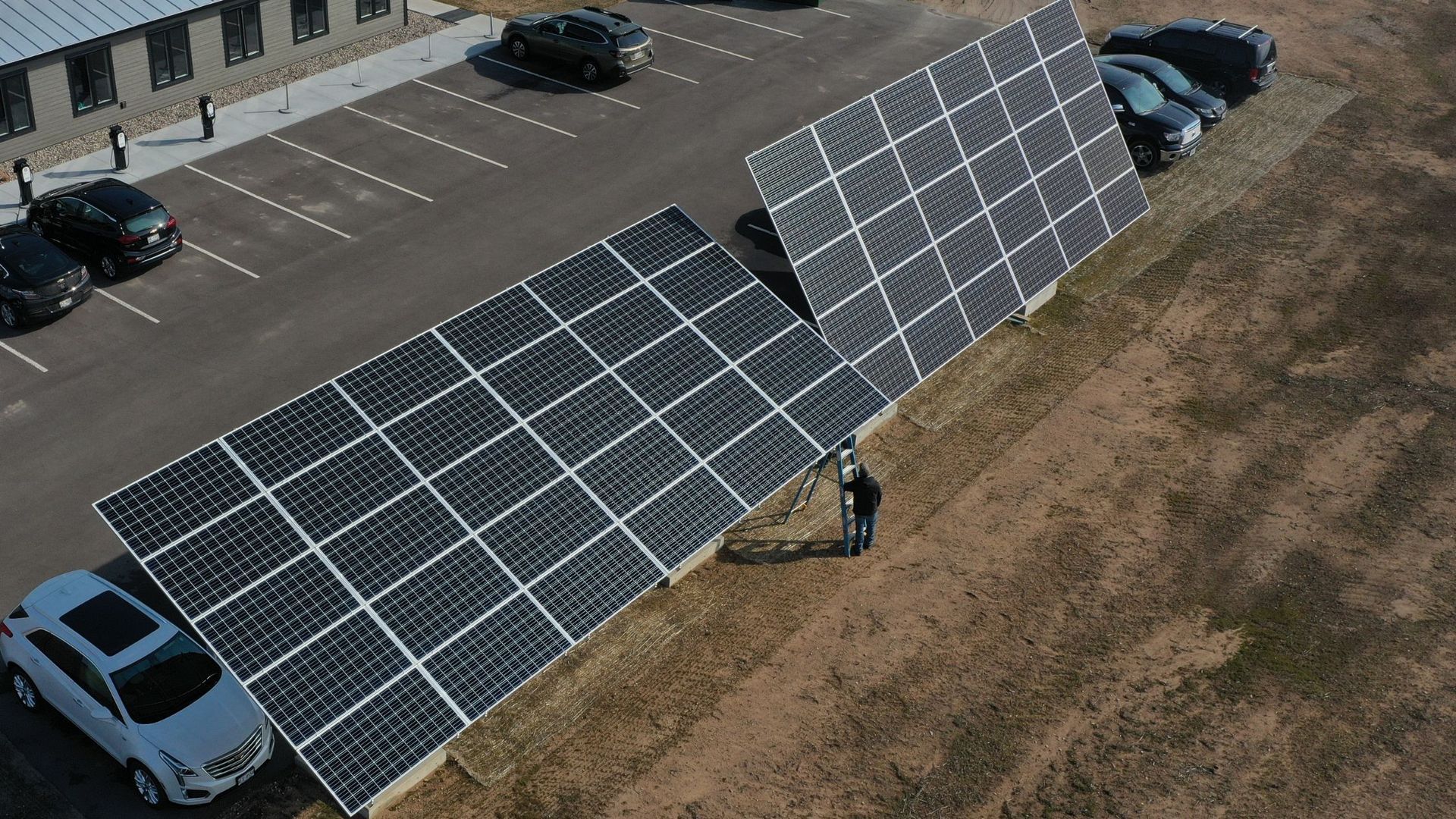
Integrating solar panels with electric vehicle charging stations presents numerous benefits. Solar-powered charging stations reduce dependency on grid electricity, decreasing electricity costs and carbon emissions. They provide a renewable energy source, enhancing the environmental impact of electric vehicle use. The synergy between solar energy and EVs supports grid decentralization by generating and consuming energy locally. This integration offers enhanced energy security and resilience against power outages. Furthermore, it demonstrates a commitment to sustainability and attracts environmentally conscious consumers.
B. Technical Requirements for Integration
Successful integration of solar panels with electric vehicle charging stations requires careful planning and technical consideration. An optimized system design that matches energy generation with demand is crucial. Inverters are needed to convert the DC electricity produced by solar panels into AC suitable for EV chargers. Energy management systems can monitor and optimize energy flow, supporting efficient use of generated solar power. Proper load balancing prevents overloading of charging equipment and maintains grid stability. Advances in smart grid technology further streamline the integration process, enhancing overall system performance.
The integration of solar-powered charging systems with solar panels represents a practical step toward cleaner transportation and more resilient energy use. By pairing renewable power generation with reliable charging infrastructure, homeowners, businesses, and public agencies can reduce energy costs, support EV adoption, and lower emissions over time. As technology improves, storage becomes more accessible, and smart energy management becomes more common, this combined approach will continue to shape the future of sustainable transportation, especially as electric vehicle charging stations become more common in homes, workplaces, and public spaces. Solar panels and EV chargers work best when they are planned as one connected system, creating long-term value for drivers, property owners, and the communities they serve. Contact Northwind Solar today to learn more.























Share On: