
How Residential Solar Power Integrates With Modern Smart Homes
Explore the intersection of green technology and smart living by delving into how residential solar power systems are seamlessly integrated into modern smart homes. This article will illustrate the advantages, technologies, and future trends that make solar-powered smart homes a significant step toward sustainable living. With an increase in global energy demands and environmental concerns, more homeowners are opting for smart technologies to enhance convenience and reduce carbon footprints. Solar power plays a pivotal role in this transformation by providing clean, sustainable energy. By examining how solar power integrates with smart home systems, homeowners can better understand the benefits and long-term potential of creating a more efficient living environment. As connected devices become more common, solar energy is no longer viewed as a separate upgrade but as part of a broader home performance strategy.
1. Residential Solar Power Basics
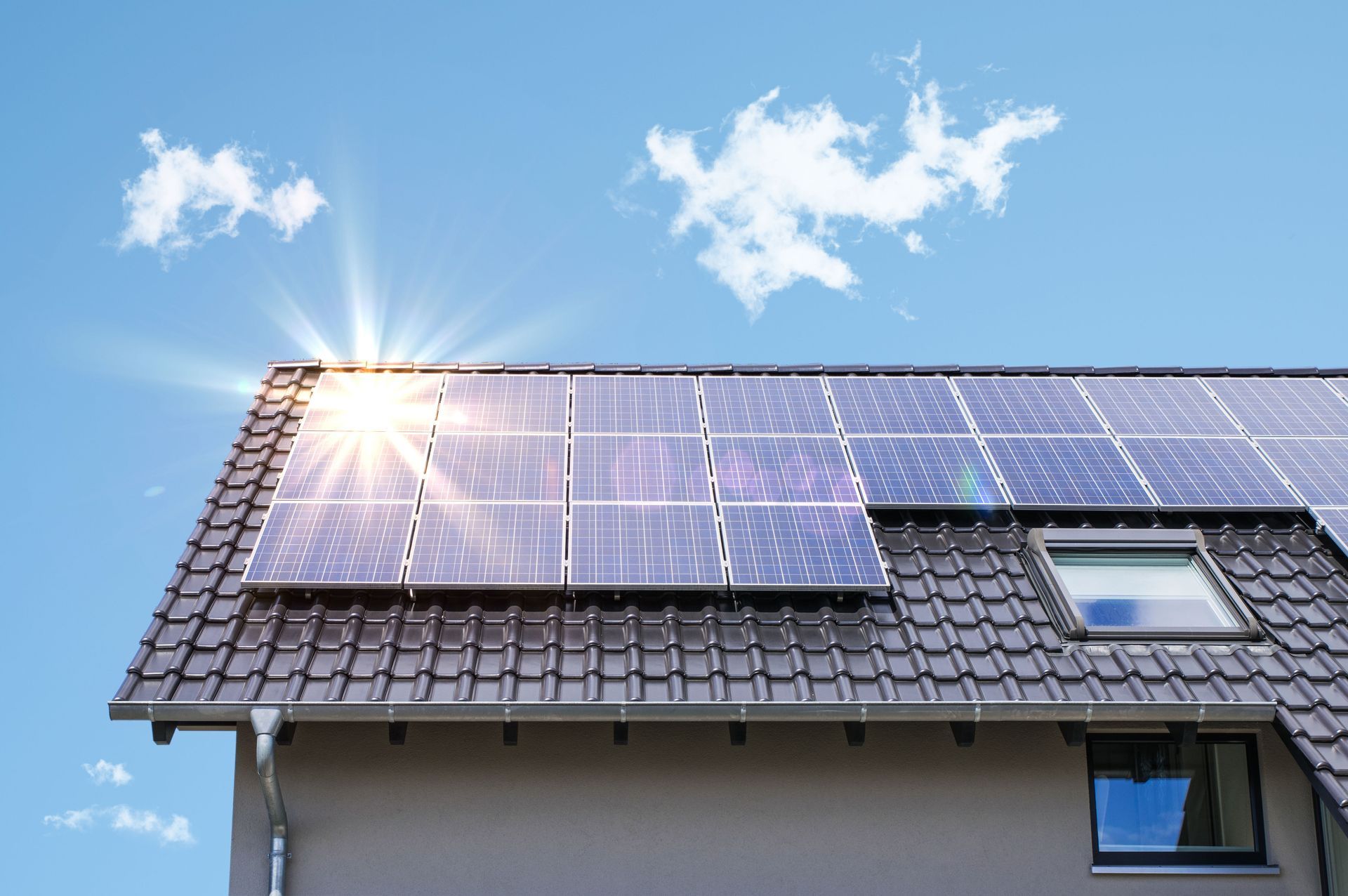
Solar panels are made up of photovoltaic cells, usually built from silicon, that capture sunlight and convert it into electricity. When sunlight hits the cells, electrons are energized and produce direct current electricity. That electricity then moves through an inverter, which converts it into alternating current that household systems can use. This process allows homeowners to power lights, appliances, and connected devices with renewable energy generated right on the property. A residential solar power company can help homeowners understand panel types, expected output, and how system design affects performance over time.
Solar panels are only one part of the setup. A complete system may also include inverters, monitoring tools, battery storage, mounting hardware, and connection points to the utility grid. Each component plays a role in determining how smoothly the system performs in everyday life. Monitoring tools are especially useful because they show how much energy is being produced and when it is being consumed. According to HomeAdvisor, the average U.S. home typically needs between 15 and 30 solar panels when using 400-watt panels, which highlights how system size is carefully tailored to household energy needs and available space. That information becomes even more valuable when solar equipment is linked with a smart home platform. The better homeowners understand these core components, the easier it becomes to make good long-term decisions. Working with a residential solar power company during planning can also make equipment selection more efficient and easier to understand.
2. Solar System Configurations
Residential systems usually fall into three categories: grid-tied, off-grid, and hybrid. Grid-tied systems are the most common because they allow homeowners to use solar energy during the day while still drawing electricity from the utility when needed. They can also send excess power back to the grid, which may lead to credits depending on local utility policies. Off-grid systems operate independently and rely heavily on battery storage to provide reliable power when sunlight is unavailable. These systems appeal to homeowners who want maximum independence but often require more equipment and more careful planning.
Hybrid systems combine the strengths of both models by linking solar panels and batteries with a grid connection. This gives homeowners flexibility during outages, peak-rate periods, or times of higher energy demand. A residential solar power company often recommends hybrid systems for households that want backup capability without fully disconnecting from local utility service. Choosing the right setup depends on climate, roof space, energy habits, and budget. A household with high evening usage may benefit from batteries, while a home with steady daytime use may do well with a simpler grid-tied arrangement.
3. Smart Home Technology Functions
A smart home uses internet-connected devices to automate and manage household systems such as lighting, climate control, security, and entertainment. These devices can be controlled through smartphones, tablets, voice assistants, or centralized hubs. Instead of operating each system separately, homeowners can create schedules and routines that improve comfort and reduce waste. For example, lights can dim automatically, thermostats can respond to occupancy, and door locks can be checked remotely. Smart home technology makes daily tasks simpler, but it also creates opportunities for better energy management.
Many of the most useful smart devices have a direct effect on electricity use. Smart thermostats can reduce heating and cooling waste by learning household routines. Smart plugs can shut off devices that draw unnecessary standby power. Automated blinds can help manage indoor temperatures by responding to sunlight levels during the day. When these devices are paired with solar energy, the home becomes more responsive and more efficient. Instead of simply generating renewable electricity, the household starts using that electricity in a more intentional way. A residential solar power company may also explain how these devices can support stronger overall system performance.
4. Energy Management Integration
The true value of combining solar and smart technology appears in energy management. Smart energy management systems track when solar production is highest and when the household is using the most electricity. This allows the home to shift certain activities to the most efficient times. Appliances such as dishwashers, washing machines, and water heaters can be scheduled to run when the panels are producing strong output. That reduces the need to purchase electricity from the grid and helps the household use more of its own renewable power directly.
A residential solar power company may also recommend monitoring software that gives homeowners live access to performance data. These tools show how much electricity is being generated, how much is being consumed, and whether battery reserves are available. With this information, homeowners can make real-time adjustments or set automations that do the work for them. A home that can coordinate production and consumption is better positioned to lower utility costs and reduce waste. This kind of integration turns solar power from a passive system into an active part of household decision-making.
5. Battery Storage and Backup Planning
Battery storage adds another layer of intelligence to a solar-powered smart home. Instead of sending all extra electricity back to the grid, batteries allow homeowners to keep some of that power for later use. This can be especially useful during the evening, when solar production drops but home energy use often rises. It can also provide backup power during storms or utility outages. In areas with time-of-use electricity rates, stored energy can be used during expensive peak periods to improve savings.
Smart controls make battery storage even more effective. Homeowners can set priorities for which systems receive backup power first, such as refrigeration, internet service, security systems, or medical devices. A residential solar power company can help configure battery behavior so the home responds in a way that matches the household’s lifestyle and needs. Instead of relying on a one-size-fits-all approach, battery-backed smart homes can be customized for resilience, convenience, and efficiency. That flexibility is a major reason solar adoption continues to grow in modern residential settings.
6. Efficiency and Cost Advantages
One of the strongest reasons homeowners explore solar integration is the potential for lower long-term energy costs. Producing electricity on-site can reduce monthly utility bills, especially when energy use is timed to match solar output. Smart home tools add to those savings by reducing waste and making sure devices run only when needed. Over time, this combination can improve the return on investment of the solar system and make household energy spending more predictable. Households also gain better visibility into where their electricity is going, which helps support smarter usage habits.
A residential solar power company is increasingly part of a broader shift in how homes are designed, managed, and valued. Buyers are paying more attention to energy performance, resilience, and connected technology when evaluating a property. Homes that combine renewable energy with smart controls are well-positioned to meet those expectations. For homeowners thinking ahead, this integration offers more than short-term savings. It represents a practical path toward comfort, efficiency, and a more sustainable way of living. As technology continues to advance, smart solar homes will likely become less of a niche upgrade and more of a standard feature in modern residential design. Contact Northwind Solar today and learn more about our solar power services.








Share On: