Skip to content

Is solar still worth it in Wisconsin in 2026, now that the federal tax credit ended?

Updated October 2026. For many Wisconsin homes, yes, but the math is tighter than before. The federal residential clean energy credit ended for systems installed after December 31, 2025. Focus on Energy raised its home solar rebate to $600 per kW, up to $2,400. Solar pays off fastest when you use a lot of electricity, have a sunny roof or yard, and buy power from a utility whose rates keep rising.

Northwind Solar is a worker-owned installer in Amherst. Founded in 2007, we have completed more than 1,000 projects in central and northern Wisconsin since 2008. Here is how to judge your own home.

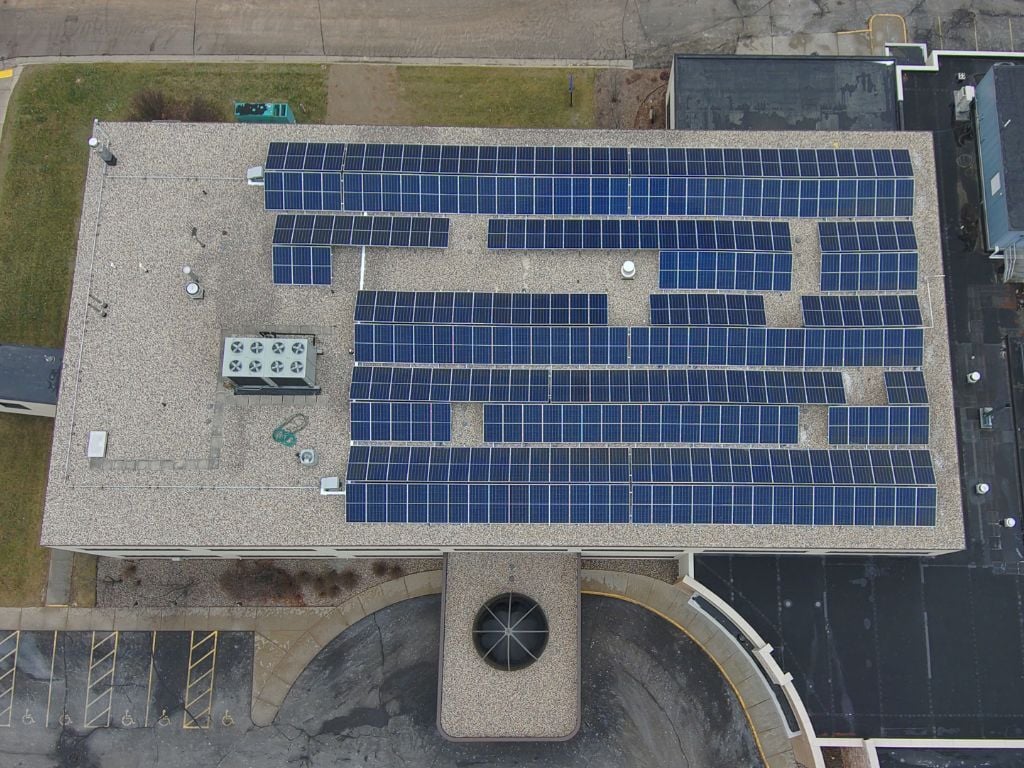
Home solar electric system in Central Wisconsin

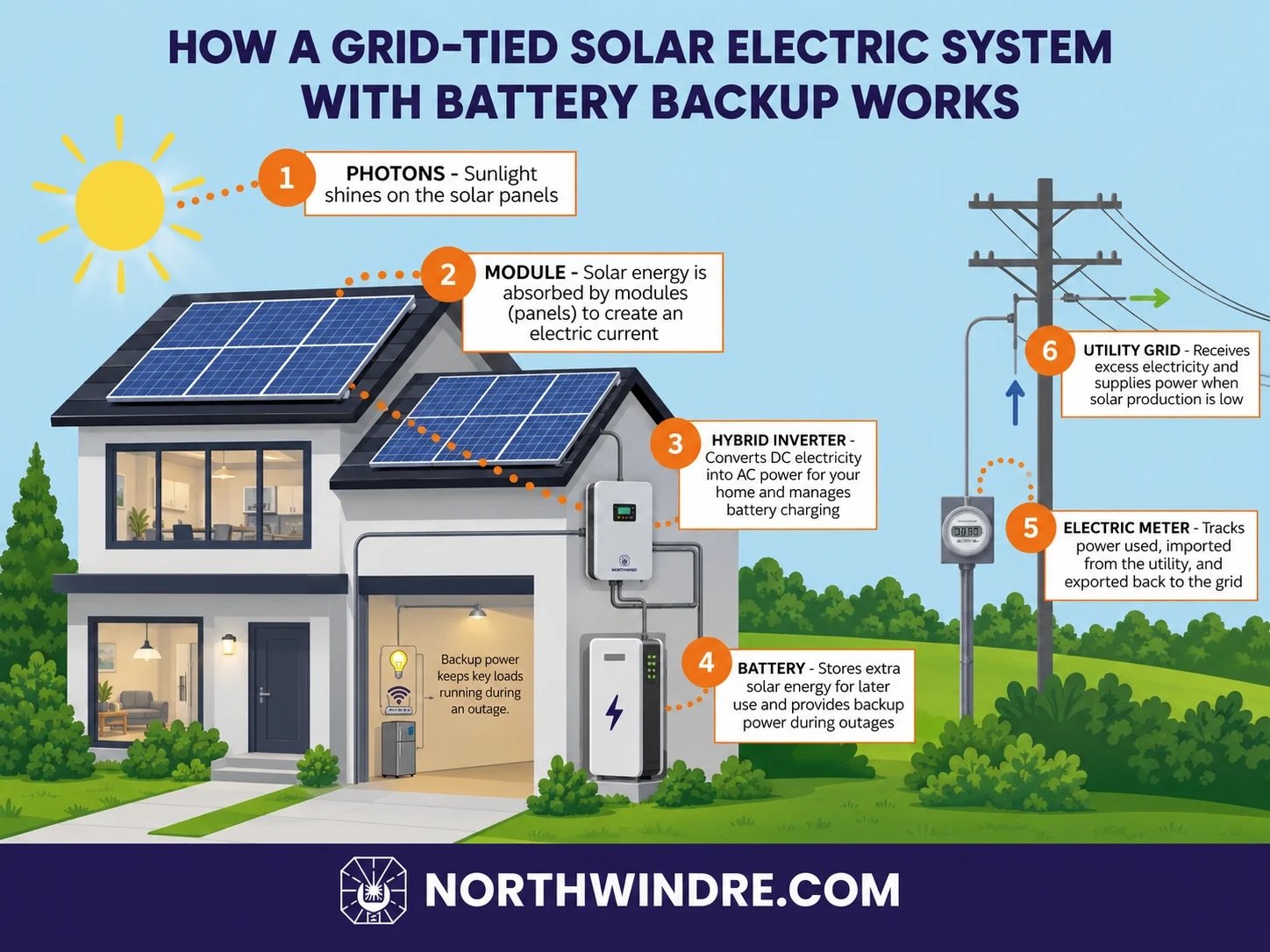
How battery backup works in Central Wisconsin: diagram

What changed for Wisconsin homeowners in 2026?

The federal home credit is gone. The 2025 federal tax law ended the residential clean energy credit (Section 25D). The IRS says the cost counts as spent when installation is completed. If your system was finished after December 31, 2025, you cannot claim it, even if you paid in 2025. That also covers home batteries.

The state rebate got bigger. Focus on Energy now pays $600 per kW of solar on a home, up to $2,400, for systems purchased and installed in 2026. That replaced a flat $300 rebate. Your electric utility must take part in Focus on Energy. See our 2026 Focus on Energy rebate guide for the rules.

Utility rates keep climbing. Every kWh your panels make is a kWh you don't buy. Regulators approved Alliant Energy (WPL) increases that raise a typical home bill about $9.57 a month in 2026 and $17.45 a month in 2027, compared with 2025. Wisconsin Public Service (WPS) asked for base electric increases of 6.3% in 2027 and 3.5% in 2028. We Energies asked for 4.7% and 4.5%. Those are requests, not final decisions.

What did not change: solar panels still make the most power from April through September. Most systems still last for decades. Your own electric use, roof and utility still decide the payback more than any single incentive. Learn more on our solar incentives page.

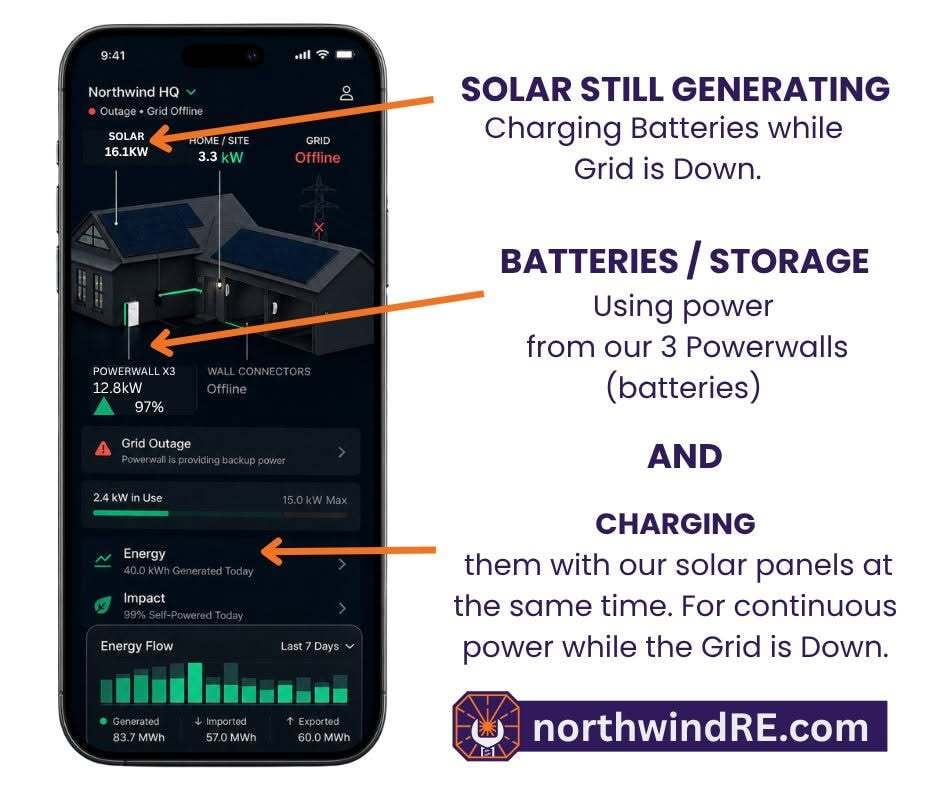
monitoring ap

How does net metering work at my utility, and what payback is realistic?

Net metering lets the power you send to the grid offset the power you buy. In Wisconsin, each utility sets its own rules, and net extra power is usually credited at a lower rate. Rules are under review: the Public Service Commission (PSC) has an open statewide net metering investigation. Always check your utility's current tariff.

UtilityNet metering sizeNet extra power credited at (2026)
WPSNet Energy Billing (PG-4); see WPS tariff for size limitsSee WPS tariff
Alliant (WPL)20 kW AC or less (PgS-3)About 4.25 cents/kWh average
We EnergiesUnder 300 kW (CGS-NM)3.636 cents/kWh on flat rates (time-of-use rates differ)
Xcel, co-ops, municipalsVariesCheck your tariff

Payback, using a public benchmark. EnergySage's October 2026 data for Wausau shows an average 11.81 kW system at about $3.31 per watt, or $39,070 before incentives, with an estimated payback of about 14.7 years. EnergySage does not publish the assumptions behind this estimate, so treat it as a rough benchmark, not a promise. A Focus rebate of $2,400 would lower that cost. Your payback will be shorter if you use more of your own solar power and longer with shade or low use. Read more in our net metering article.

Sources: IRS 25D FAQ, Focus on Energy, We Energies 2026 rates, Alliant Energy, WPS, PSC tariffs, EnergySage Wausau.

What decides whether solar pays for your home?

No incentive matters as much as these four things. Look at each one before you sign anything.

How much power you use

Homes with higher, steady use get the most value, because more of the solar power replaces power you would buy at full retail price. An electric vehicle, heat pump or well pump can all raise use. Bring 12 months of bills so the system is sized to your real use, not a guess.

Your roof or yard

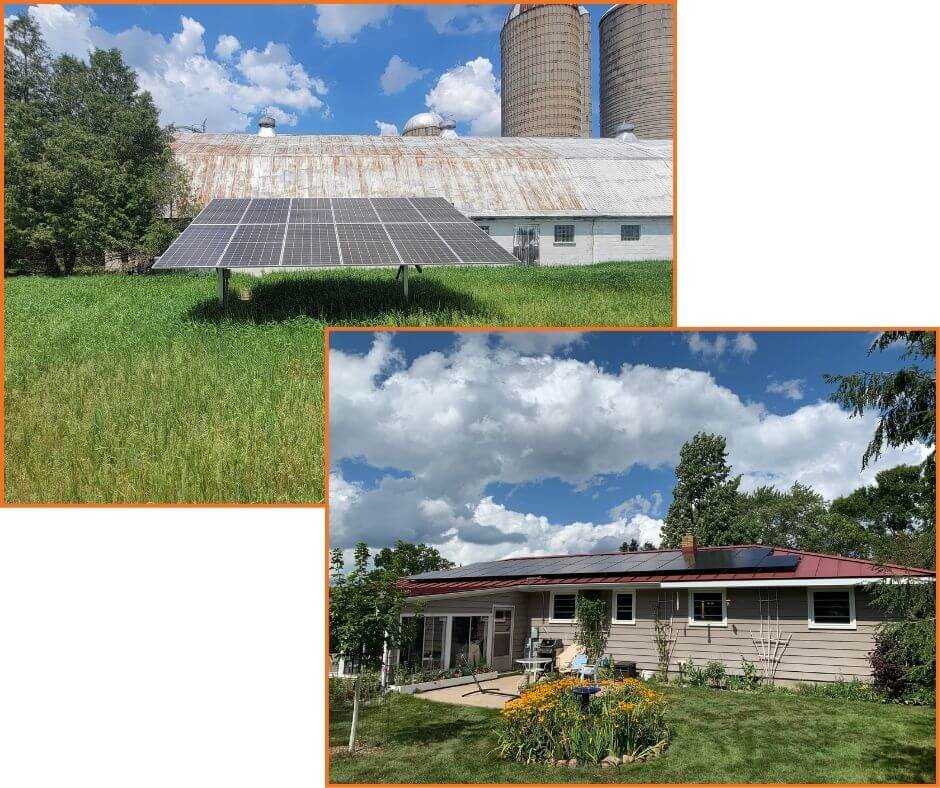
South, east and west roofs with little shade work well. Focus on Energy requires panels within 135 degrees of due south and less than 15% shading. If the roof is shaded or nearly worn out, a ground mount may make more sense. Northwind has built about 195 ground-mount systems.

Batteries for outages

A battery keeps lights, the fridge and the well pump running when the grid goes down. In 2026 there is no federal credit and no Focus rebate for home batteries, so buy one for backup, not for payback. Northwind has completed 143 projects that include battery storage.

How you pay

Most Wisconsin homeowners pay cash or use a loan. Leases and power purchase agreements for homes remain legally unsettled in Wisconsin, and Focus does not give its home rebate for leased equipment. With a loan, compare your monthly payment to the bill savings you expect.

How do I find out if solar pays for my home?

Step 1 – Gather 12 months of bills

Your yearly kWh use and your utility's rate are the starting point for any honest estimate.

Step 2 – Check your utility's rules

Confirm your utility takes part in Focus on Energy and look up its current net metering tariff.

Step 3 – Get a site assessment

A designer checks roof condition, direction and shade, or plans a ground mount if the roof doesn't fit.

Step 4 – Compare cash and loan math

Subtract the Focus rebate and compare the yearly savings to the cost or the loan payment.

Step 5 – Reserve the rebate before you install

Focus strongly recommends reserving rebate funds online before installation starts.


Frequently Asked questions

Can I still get the federal solar tax credit for my home in 2026?

No. The residential clean energy credit (Section 25D) ended under the 2025 federal tax law. The IRS says the expense counts as made when installation is completed, so a home system finished after December 31, 2025 does not qualify, even if you paid for it in 2025. The same rule applies to home batteries. Check with your tax preparer about your own return.

How much is the Focus on Energy solar rebate in 2026?

For a home, Focus on Energy pays $600 per kW of solar, up to $2,400, for systems purchased and installed in 2026. A 4 kW or larger system reaches the cap. Your utility must take part in Focus on Energy, and you must apply within 60 days of the system starting, no later than January 31, 2027. If you signed or paid in 2025 and the system started in 2026, check with Focus before you count on the rebate.

Is net metering going away in Wisconsin?

Not today. WPS, Alliant (WPL) and We Energies all still offer net metering for smaller systems in 2026. The PSC has an open investigation into how solar customers are credited, and earlier utility proposals to cut credits were rejected in 2023. Rules can change, so check your utility's current tariff before you buy.

Can I lease solar panels or sign a solar PPA for my home in Wisconsin?

It is unclear. Wisconsin law has not settled whether third-party-owned home solar is allowed, and court cases have not resolved it. Most homeowners buy with cash or a loan, and leased equipment does not get the Focus home rebate.

Is a home battery worth it in Wisconsin?

A battery is worth it if backup power matters to you, such as for a well pump, sump pump or medical equipment. It usually does not shorten payback, since there is no federal credit or Focus battery rebate in 2026. In WPS territory, how batteries are counted when you connect to the grid is under debate before the PSC, so ask how it affects your design.

How long does it take for solar to pay for itself in Wisconsin?

It depends on your use, roof, utility and price. As a public benchmark, EnergySage's October 2026 data for Wausau estimates a payback of about 14.7 years for an average 11.81 kW system. EnergySage does not publish the assumptions behind this estimate, so treat it as a rough benchmark, not a promise. Higher electric use and rising rates can shorten that. Heavy shade or low use can lengthen it.


What Our Customers Are Saying

Five orange stars

4.9 out of 5 · based on 100+ Google reviews


More solar guides from Northwind Solar

See what solar would do for your home