
Understanding How Solar Power Adds Value to Your Residential Property
Discover how solar power not only benefits the environment but also significantly enhances the financial and functional value of residential properties. This article delves into the various facets of solar energy adoption and its broader impacts on home valuation. The adoption of solar power in residential properties is no longer just a trend but a well-established practice with substantial long-term benefits. Homeowners who invest in solar solutions often find themselves positioned ahead of market shifts toward sustainability and efficiency. Through this article, we explore the environmental impact, financial benefits, marketability advantages, technological progress, adoption challenges, and long-term outlook associated with solar-powered homes.
Environmental Impact of Solar Power on Residential Properties
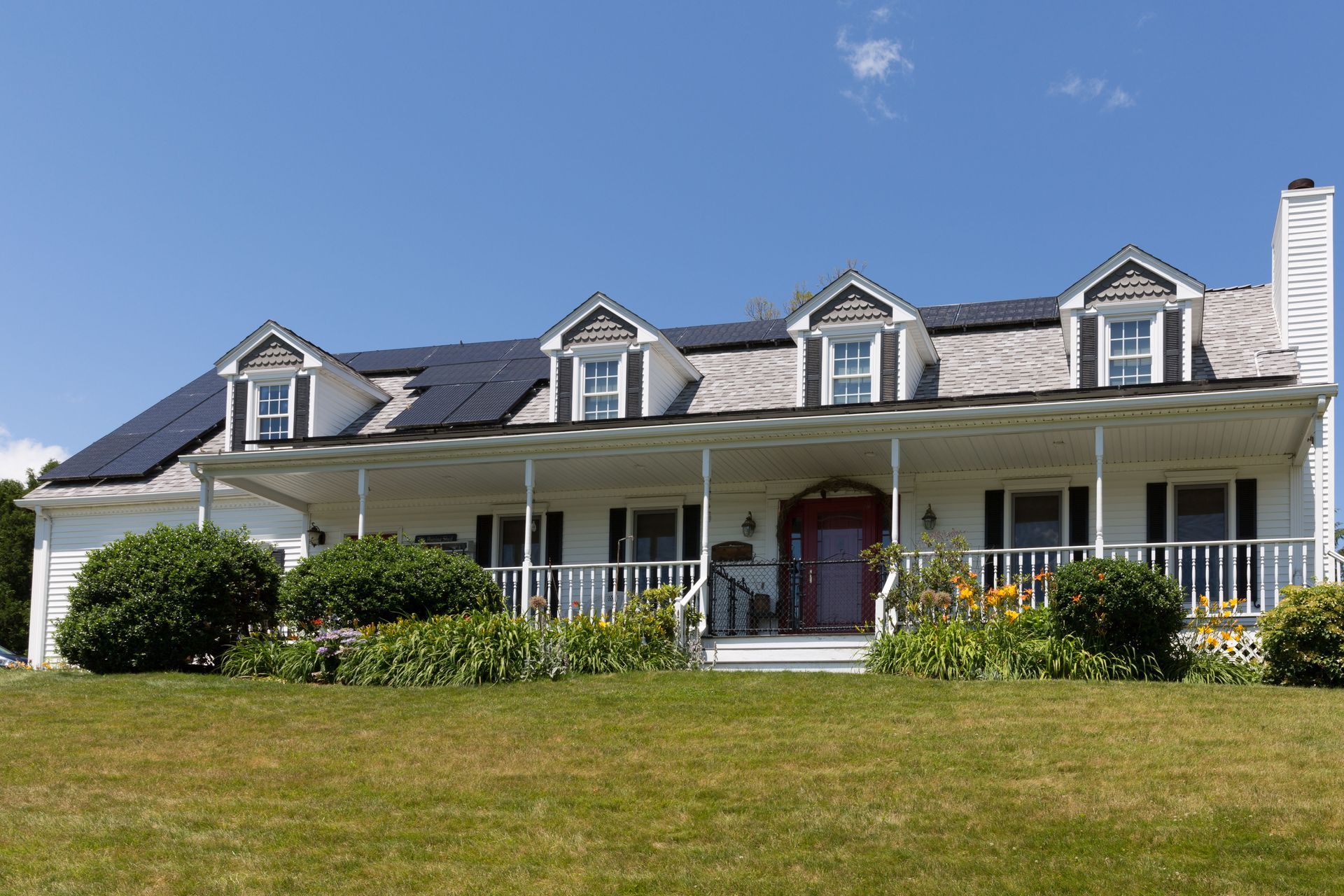
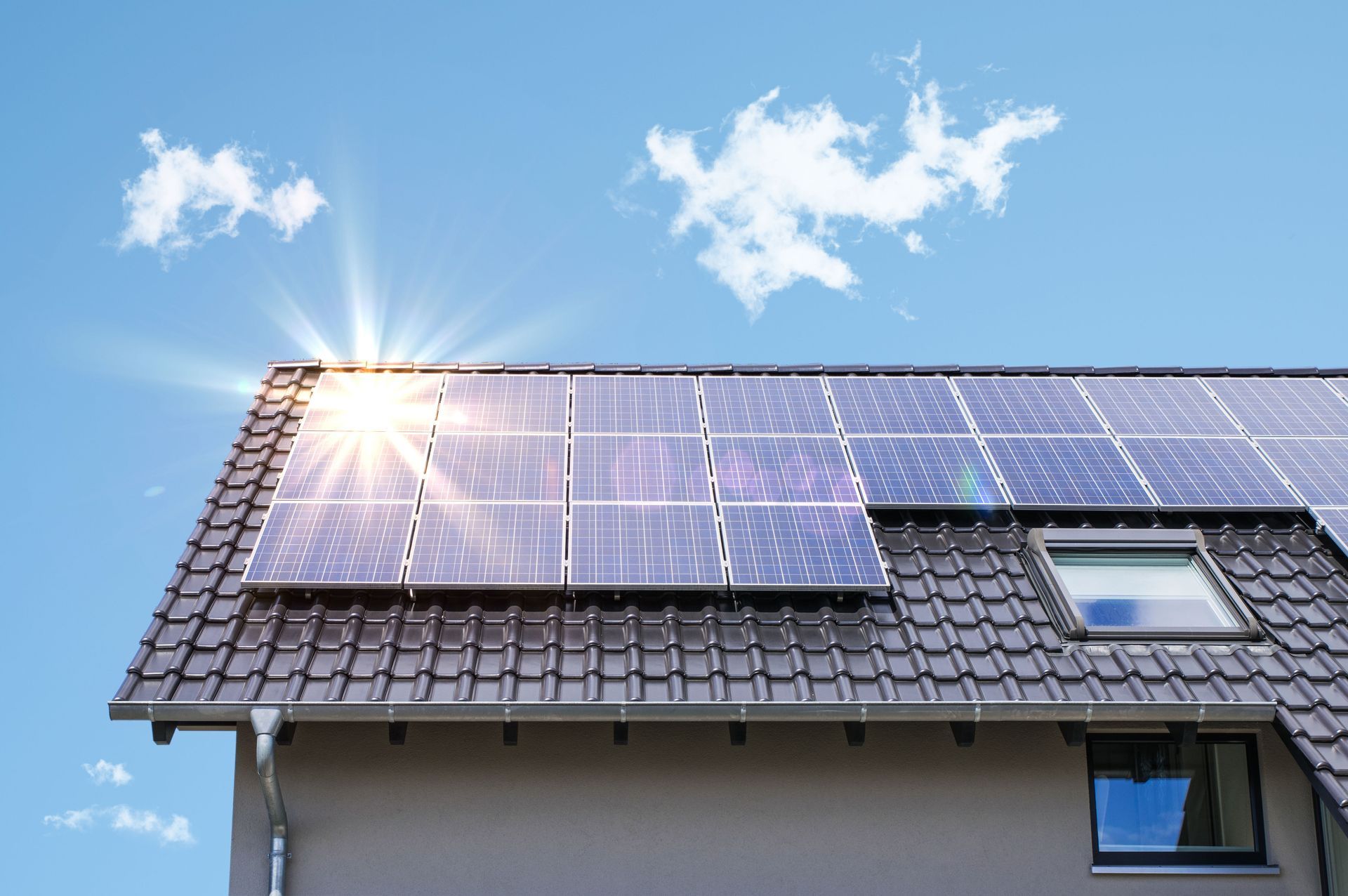
Solar power provides a clean and efficient alternative to fossil fuels, significantly reducing the carbon footprint of a home. By converting sunlight into electricity, solar panels help mitigate the release of carbon dioxide and other harmful greenhouse gases. This transition supports broader environmental responsibility while allowing homeowners to actively participate in climate-conscious living. As adoption increases, residential neighborhoods collectively contribute to measurable emissions reductions that support regional and global sustainability goals.
Energy independence is another critical environmental benefit of solar power. Generating electricity on-site reduces reliance on centralized energy grids and fossil fuel–based power plants. Homes equipped with solar systems often experience improved resilience during grid disruptions, reinforcing sustainability beyond environmental impact alone. These advantages are frequently highlighted by residential solar power companies when educating homeowners on long-term energy stability.
Installing solar panels also enhances a property’s green credentials, which are increasingly influential in real estate markets. Environmentally conscious buyers are drawn to homes that demonstrate reduced environmental impact and energy efficiency. Solar-equipped properties often signal forward-thinking ownership and responsible resource management. This perception can positively influence buyer interest and long-term property desirability.
Financial Advantages of Residential Solar Energy Systems
One of the most compelling reasons homeowners invest in solar energy is the opportunity to lower monthly electricity expenses. By producing their own power, homeowners reduce dependence on utility providers and shield themselves from fluctuating energy costs. Over time, these savings can offset installation expenses and improve household budgeting predictability.
Government incentives and tax credits further enhance the financial appeal of solar adoption. Federal, state, and local programs help reduce upfront installation costs, making solar systems more accessible to a broader range of homeowners. These incentives are often incorporated into project estimates provided by residential solar power companies, improving affordability and shortening the payback period.
Solar installations can also increase property resale value. Buyers frequently place a premium on homes with lower operating costs and built-in energy efficiency. A solar-equipped home often stands out in competitive markets, attracting buyers who prioritize sustainability and long-term savings. The investment in solar technology can therefore deliver both immediate utility savings and future financial returns.
Solar Power and Property Marketability
Homebuyer preferences have shifted notably toward energy-efficient and environmentally responsible properties. Solar energy systems align closely with these expectations by offering tangible benefits that appeal to modern buyers. Reduced energy bills and sustainable infrastructure contribute to a stronger value proposition during home searches.
Properties with solar installations often sell faster than comparable non-solar homes. Buyers are increasingly informed about the long-term benefits of renewable energy and may view solar systems as an upgrade rather than an optional feature. Sellers who clearly communicate system performance and savings history often experience smoother negotiations and reduced time on market.
When compared to non-solar homes, solar-powered properties typically demonstrate lower long-term ownership costs. While the initial purchase price may be slightly higher, buyers often recognize that reduced utility expenses compensate for the difference. Residential solar power companies frequently support this narrative by providing data that highlights lifecycle savings and system longevity.
Technological Advances Driving Solar Adoption
Technological innovation continues to improve the efficiency and performance of solar panels. Modern systems generate more electricity using fewer panels, making them suitable for a wider range of roof sizes and architectural styles. Improved efficiency also enhances return on investment for homeowners.
Solar systems are increasingly integrated with smart home technologies that allow homeowners to monitor energy production and consumption in real time. These integrations enable more efficient energy use and provide valuable insights into household power habits. Smart compatibility enhances the overall appeal of solar-equipped homes, particularly among tech-savvy buyers.
Energy storage advancements, including modern battery systems, further expand the benefits of solar power. Stored energy allows homeowners to use solar-generated electricity during nighttime hours or outages. These developments increase system reliability and reduce dependence on the grid, a feature frequently promoted by residential solar power companies as part of comprehensive energy solutions.
Addressing Barriers to Solar Energy Adoption
Upfront installation costs remain one of the most common concerns for homeowners considering solar power. However, financing options such as solar loans, leases, and power purchase agreements help distribute costs over time. These options allow homeowners to begin realizing energy savings immediately without significant upfront financial strain.
Installation logistics and contractor selection can also pose challenges. Evaluating roof condition, sun exposure, and structural considerations is essential for optimal system performance. Partnering with experienced professionals helps streamline the process and reduces the likelihood of complications during installation.
Regulatory requirements and homeowner association guidelines may create additional hurdles. Understanding local zoning laws and HOA policies early in the process helps prevent delays. Many residential solar power companies assist homeowners with permitting and compliance to simplify these steps and improve adoption outcomes.
Long-Term Outlook for Solar-Powered Homes
The long-term outlook for hiring residential solar energy companies remains highly positive. Continued technological innovation, supportive policies, and growing environmental awareness are expected to drive sustained adoption. As costs decline and efficiency improves, solar systems are likely to become a standard feature in residential construction and renovation.
Climate change considerations further underscore the importance of renewable energy solutions. Solar power offers a practical way for homeowners to reduce emissions while improving energy resilience. Widespread adoption at the residential level plays a meaningful role in achieving broader climate objectives.
Solar technology is also known for its durability and longevity. Most modern panels are designed to perform reliably for decades with minimal maintenance. This long lifespan reinforces the value proposition of solar systems as a stable, long-term investment supported by residential solar power companies through warranties and service programs.
Beyond immediate benefits, solar-powered homes often encourage more mindful energy consumption habits among residents. Homeowners become more aware of usage patterns, peak demand periods, and opportunities to optimize efficiency. According to Energy.gov, it's projected that more than one in seven U.S. homeowners will use a rooftop solar PV system by 2030, highlighting how widespread adoption is influencing everyday energy awareness. This heightened awareness can lead to complementary upgrades such as improved insulation, energy-efficient appliances, and smarter lighting choices. Over time, these incremental improvements compound the overall performance of the home. Solar adoption can also foster a sense of pride and ownership, as residents actively participate in producing clean energy. These behavioral and lifestyle shifts further enhance the long-term value, comfort, and sustainability of residential properties.
Solar power offers a multifaceted opportunity to enhance residential property value through environmental responsibility, financial savings, and improved marketability. As the housing market continues to evolve, solar energy stands out as a transformative investment that benefits both homeowners and future buyers. By reducing costs, increasing efficiency, and supporting sustainability goals, solar-powered homes represent a forward-looking approach to residential living. Embracing solar technology today positions homeowners to thrive in an increasingly energy-conscious real estate landscape. Contact Northwind Solar today and learn more about our solar power services.





Share On: