
How Solar Energy Supports a Greener Community
As communities worldwide seek sustainable solutions, solar energy has emerged as a driving force in building greener, more resilient neighborhoods. Shifting from fossil fuels to renewable sources is crucial for reducing carbon emissions, conserving natural resources, and combating climate change. By harnessing the sun’s power, communities can access clean, reliable energy while fostering long-term environmental stewardship. This article explores how solar energy works, its environmental benefits, and its role in shaping a sustainable future for all.
Harness Solar Power to Strengthen Communities
Solar energy is derived from the sun's rays and is a renewable energy source that can be harnessed for various applications. Solar power technology involves capturing sunlight and converting it into usable electrical or thermal energy. Photovoltaic (PV) cells, typically made from silicon, are the primary technology used to convert solar radiation into electricity. According to Earth.Org, solar energy was first commercialized nearly four decades ago, creating opportunities for widespread adoption across different sectors. Today, solar power is seen as a pivotal solution in transitioning towards cleaner and more sustainable energy systems.
The science behind solar energy is based on the photovoltaic effect, where certain materials can absorb photons and release electrons, resulting in an electric current. This process allows solar panels to generate electricity without emitting harmful pollutants, making it an environmentally favorable technology. Although solar panels are the most visible aspect of solar technology, other innovations like solar thermal systems and concentrated solar power (CSP) enhance its versatility. Companies and governments worldwide are investing heavily in solar infrastructure to address energy deficits and stimulate green economies. The increasing efficiency and decreasing costs of solar technology have accelerated its global adoption.
Convert Sunlight into Reliable, Clean Energy
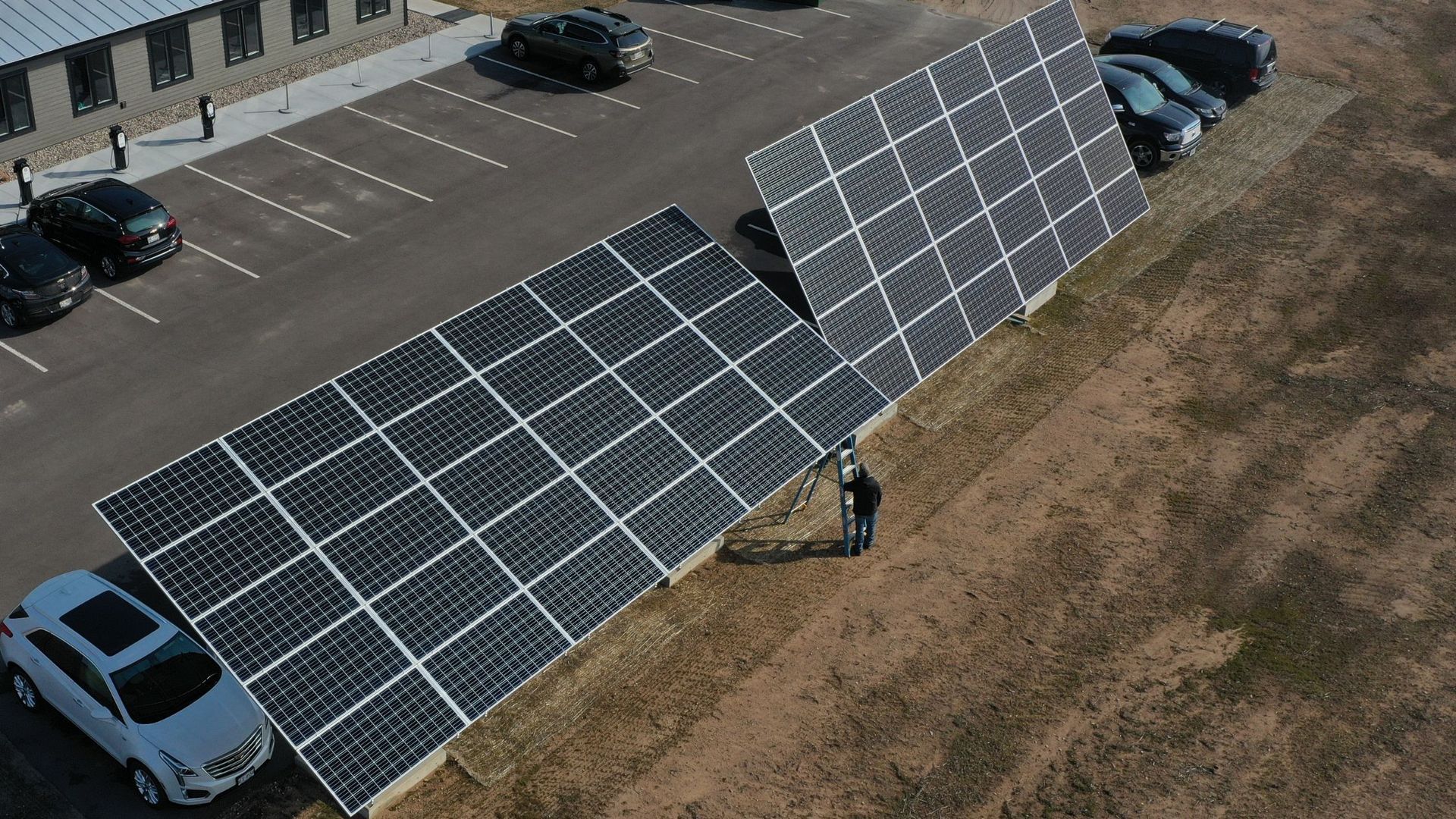
A typical solar power system consists of several key components, each playing a unique role in harnessing solar energy efficiently. Solar panels are at the heart of these systems, collecting sunlight and converting it into direct current (DC) electricity. Inverters are crucial, as they transform DC electricity from the panels into alternating current (AC), which is required for most household and industrial appliances. Batteries are often included in solar systems to store excess energy generated during daylight, allowing for power usage during nighttime or cloudy periods. Additional components, like charge controllers and mounting equipment, ensure safe, reliable, and efficient operation.
Solar panels, known as photovoltaic modules, are made up of numerous solar cells and housed within a protective backing and a glass cover. They can vary in size, efficiency, and design, with monocrystalline and polycrystalline solar panels being the most common types. The inverter, often referred to as the brain of a solar energy system, is integral in maintaining energy flow and handling electrical load. Advances in technology offer microinverters and string inverters, giving users flexibility based on their power needs and space constraints. Balance of system (BOS) components, such as wiring, switches, and protection devices, complete the solar setup.
Reduce Carbon Emissions to Benefit the Community
The generation of solar power begins when sunlight hits the photovoltaic cells on a solar panel, inducing a flow of electricity. This occurs because solar cells are composed of semiconductor materials, primarily silicon, which create an electric field when exposed to light. These cells are typically organized into arrays on solar panels, allowing for efficient energy absorption over a broad surface area. Once sunlight is converted into direct current electricity, it flows through an inverter, where it is converted into alternating current. This electricity can then be used locally, stored in batteries, or fed into the power grid.
Beyond the basic photovoltaic system, advanced solar technologies like Concentrated Solar Power (CSP) involve focusing a large area of sunlight onto a small area to produce high temperatures, ultimately generating electricity through thermal power cycles. CSP systems are more commonly used at utility scales and can provide consistent power generation due to their ability to incorporate thermal storage. Whether through PV or CSP, the efficiency of a solar power system can be affected by various factors, including location, weather conditions, and technological innovations. Despite these variables, solar power remains an essential component in reducing reliance on non-renewable energy sources.
Conserve Local Resources and Protect Ecosystems
One of the most substantial environmental benefits of solar power is its ability to significantly reduce carbon emissions associated with energy production. Unlike fossil fuels, solar energy systems do not produce carbon dioxide when generating electricity, making them a clean and sustainable alternative. Since solar power was first commercialized approximately four decades ago, it has prevented millions of tons of carbon emissions from entering the atmosphere. As more communities implement solar power, the cumulative reduction in carbon emissions will provide significant environmental advantages.
Furthermore, solar power's role in reducing the carbon footprint extends beyond individual households to include large industrial applications and urban infrastructure. By integrating solar technologies into buildings, transportation, and public services, cities can decrease their overall energy consumption from conventional sources. In practical terms, decreased carbon emissions mitigate the occurrence of air pollution-related health issues and contribute to improved public health outcomes. The transition towards a decarbonized economy remains vital in global efforts to meet international climate goals and reduce the adverse impacts of global warming. Solar power stands as a key enabler in advancing towards these objectives by offering a sustainable energy solution across diverse sectors.
Promote Healthier Communities Through Cleaner Air and Water
Solar energy plays a critical role in preserving natural resources by reducing the exploitation and destruction commonly associated with traditional energy sources. Unlike coal, oil, or natural gas, which often require extensive mining, drilling, and extraction practices, solar power harnesses energy directly from the sun's rays. This reliance on a renewable resource ensures that natural habitats and ecosystems remain undisturbed, promoting biodiversity and ecological balance. The implementation of solar energy contributes to water conservation as well, since conventional energy generation often requires substantial water usage for cooling processes, unlike solar technology. By minimizing land and water resource consumption, solar power supports a more sustainable interaction between human activities and the environment.
The use of solar photovoltaics helps mitigate soil degradation and pollution associated with fossil fuel production and consumption. Extractive industries can lead to deforestation, soil erosion, and contamination, which solar energy systems generally avoid. By shifting to solar power, communities can prevent further ecosystem harm while fostering a cleaner and healthier environment. In agricultural contexts, solar power serves as a boon by providing off-grid electricity solutions for irrigation, crop drying, and other farming infrastructure, all while minimizing the environmental impact on the soil and surrounding natural resources. This dual role highlights solar energy's capacity to enhance resource efficiency across various industries and activities.
Solar energy provides communities with a clear path toward sustainability and resilience. By reducing carbon emissions, conserving natural resources, and minimizing pollution, solar power creates cleaner, healthier environments for residents. Integrating solar technology into homes, businesses, and public infrastructure not only strengthens local economies but also promotes long-term environmental stewardship. Embracing solar energy today empowers communities to build a greener, more sustainable future for generations to come. By investing in solar solutions, neighborhoods can foster innovation, create local jobs, and inspire collective action toward environmental responsibility. Reach out to Northwind Solar to take the next step toward a cleaner, brighter community.




























Share On: